





By Paula | Medically Reviewed by AIDEVI Health Team
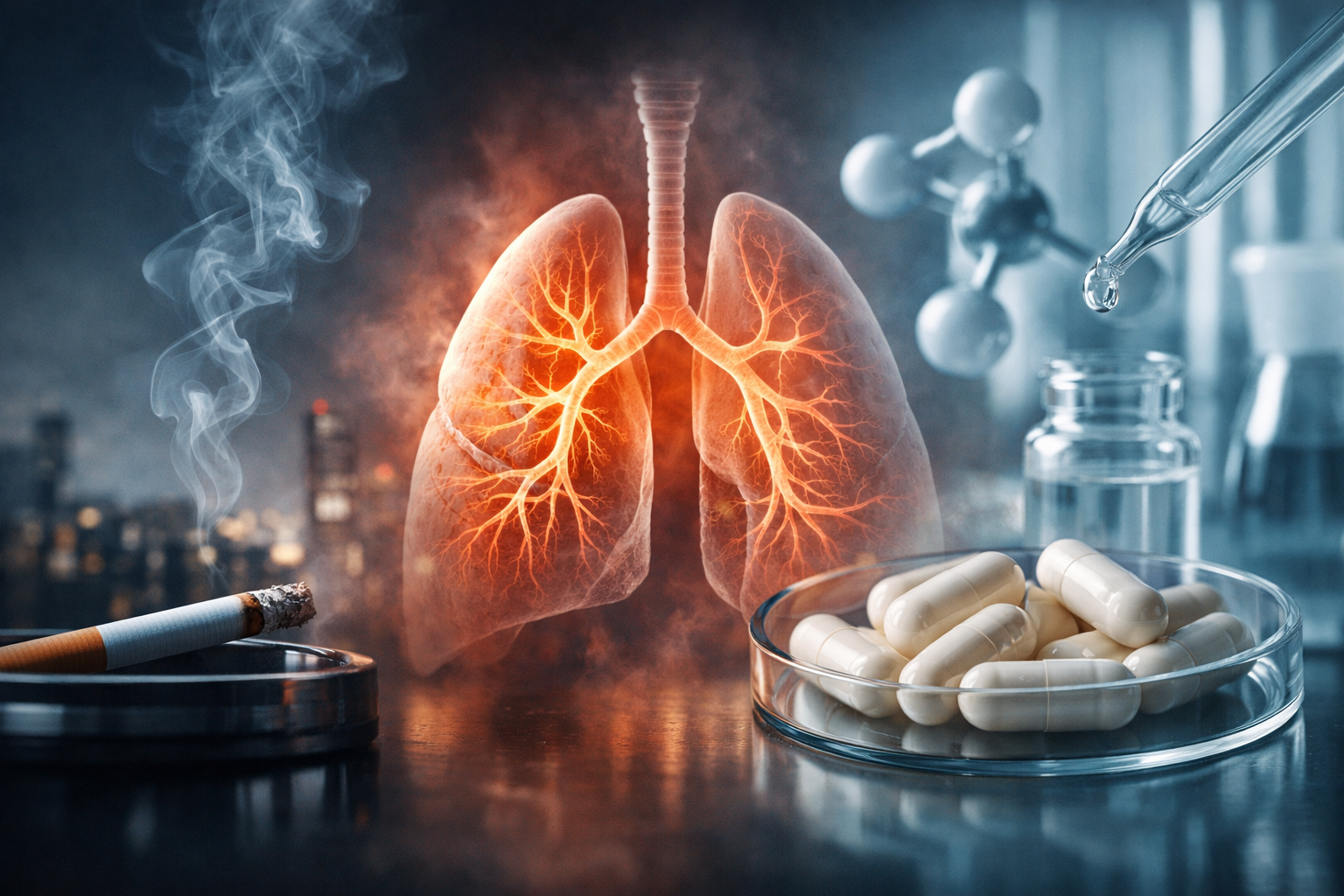
The human respiratory system is a marvel of biological engineering, facilitating the exchange of life-sustaining oxygen for carbon dioxide across a surface area roughly the size of a tennis court. However, this vast interface also makes the lungs exceptionally vulnerable to environmental insults. For smokers, or those living in highly polluted urban environments, the lungs are under constant siege from oxidative stress, toxic chemicals, and chronic inflammation. The struggle for every breath, the persistent cough, and the fear of irreversible damage are realities many face.
As we move into 2026, the focus of pulmonary health is shifting from merely managing symptoms to actively promoting cellular repair and regeneration. At the heart of this shift is Nicotinamide Mononucleotide (nmn), a powerful precursor to NAD+ (Nicotinamide Adenine Dinucleotide). While NMN is widely celebrated for its anti-aging properties, emerging scientific evidence suggests it may offer a lifeline for lung health, particularly for those looking to mitigate the damage caused by smoking and seeking effective ways to repair lungs after quitting smoking.
In this comprehensive guide, we explore the rigorous science behind NMN and lung health, the mechanisms of cellular repair it activates, and how premium supplements like those from AIDEVI can support a Longevity Lifestyle and Diet with NMN Supplements to protect your respiratory vitality and aid in lung damage from smoking reversal.
The Toll of Smoking: Oxidative Stress and NAD+ Depletion in the Lungs
Smoking introduces over 7,000 chemicals into the lungs, hundreds of which are toxic and at least 70 of which are known to cause cancer. Beyond the well-known risks, smoking inflicts profound damage at the cellular level through two primary mechanisms: Oxidative Stress and NAD+ Depletion.
The Oxidative Onslaught: Why Your Lungs Suffer
Cigarette smoke is a potent source of free radicals—unstable molecules that steal electrons from healthy cells, causing a chain reaction of damage known as oxidative stress. This stress damages the delicate lining of the alveoli (air sacs), triggers chronic inflammation, and impairs the lungs' natural ability to clear mucus and debris. This constant assault contributes to lung damage from smoking and makes it harder for your body to naturally heal.
The NAD+ Crisis in the Lungs: Impaired Repair Mechanisms
To combat this constant chemical barrage, the lungs' cellular defense systems must work in overdrive. The primary enzymes responsible for repairing DNA damage (PARPs) and regulating inflammation (Sirtuins) are entirely dependent on NAD+ to function.
Chronic exposure to smoke rapidly exhausts cellular NAD+ pools. When NAD+ levels drop, the repair mechanisms stall, leading to accelerated "lung aging," characterized by tissue scarring (fibrosis), reduced elasticity, and a heightened susceptibility to respiratory infections and chronic obstructive pulmonary disease (COPD) [1]. This NAD+ lung damage is a critical factor in the progression of smoking-related lung diseases.

How NMN Promotes Lung Cellular Repair and Recovery
NMN acts as a direct intervention in this cycle of damage. By replenishing NAD+ levels, NMN provides the "cellular currency" required to restart the lungs' internal repair systems, offering a promising strategy for lung repair after quitting smoking.
1. Mitigating Lung Injury and Inflammation
Recent studies have demonstrated that NMN supplementation can significantly protect against various forms of lung injury. Research published in The Journal of Surgical Research showed that NMN protects against lipopolysaccharide (LPS)-induced lung injury by mitigating the inflammatory response and reducing oxidative damage [2].
For smokers, this means that NMN may help blunt the acute inflammatory spikes caused by smoke inhalation, potentially slowing the progression of chronic lung damage. By activating SIRT1, an NAD+-dependent enzyme, NMN helps suppress the NF-κB pathway—a major driver of systemic and pulmonary inflammation. This anti-inflammatory action is crucial for pulmonary health supplements.
2. Combating Pulmonary Fibrosis and Scarring
Pulmonary fibrosis is a condition where lung tissue becomes damaged and scarred, making it thick and stiff, which interferes with breathing. Smoking is a major risk factor for this irreversible condition.
Groundbreaking research has found that NMN can alleviate lung fibrosis by regulating immune functions and improving lipid metabolism [3]. Specifically, NMN has been shown to inhibit the epithelial-to-mesenchymal transition (EMT)—a process where healthy lung cells transform into scar-producing cells. By maintaining youthful NAD+ levels, NMN helps keep lung cells in their functional, healthy state rather than transitioning into scar tissue. This offers hope for those seeking natural ways to heal lungs from smoking.
3. Enhancing Ciliary Function and Mucus Clearance
The lungs are lined with tiny hair-like structures called cilia that move in rhythmic waves to clear mucus and trapped particles. Smoking paralyzes these cilia, leading to the infamous "smoker's cough" and frequent infections.
NAD+ is essential for the energy production (ATP) that powers ciliary movement. By boosting mitochondrial efficiency through NMN, smokers may support the restoration of effective mucus clearance, helping the lungs "self-clean" more efficiently after exposure to pollutants. This is a key aspect of NMN for lung repair.

Synergistic Protection: NMN and Ergothioneine (EGT) for Comprehensive Lung Support
While NMN focuses on repair and energy, true pulmonary protection requires a multi-layered defense. This is where the synergy between NMN and L-Ergothioneine (EGT) becomes critical for smokers and those in polluted environments, offering a powerful combination of pulmonary health supplements.
EGT: The Mitochondrial Shield for the Lungs
Ergothioneine is a unique, sulfur-containing amino acid that the human body actively transports into cells experiencing high oxidative stress via a dedicated transporter (OCTN1). The lungs are one of the primary sites where this transporter is highly expressed.
Unlike common antioxidants like Vitamin C, EGT is exceptionally stable and persists in the tissues for long periods. For smokers, EGT provides:
- Direct Neutralization of Smoke Toxins: EGT can directly neutralize specific free radicals found in cigarette smoke that other antioxidants cannot reach.
- Protection of Mitochondrial DNA: It safeguards the delicate DNA within the mitochondria of lung cells, ensuring they can continue to produce energy even under stress.
- Anti-Fibrotic Synergy: When paired with NMN, EGT provides an additional layer of protection against the scarring processes that lead to fibrosis.
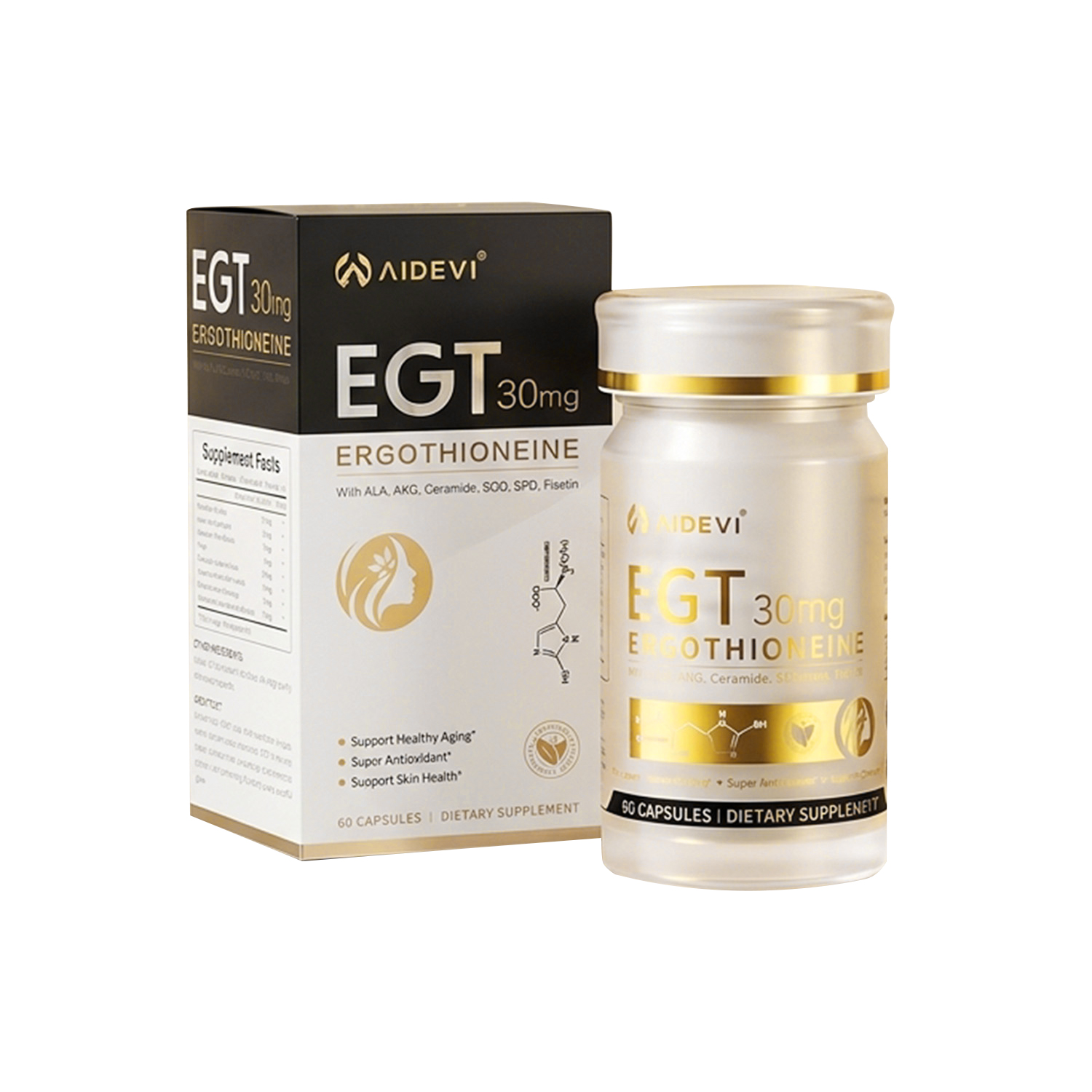
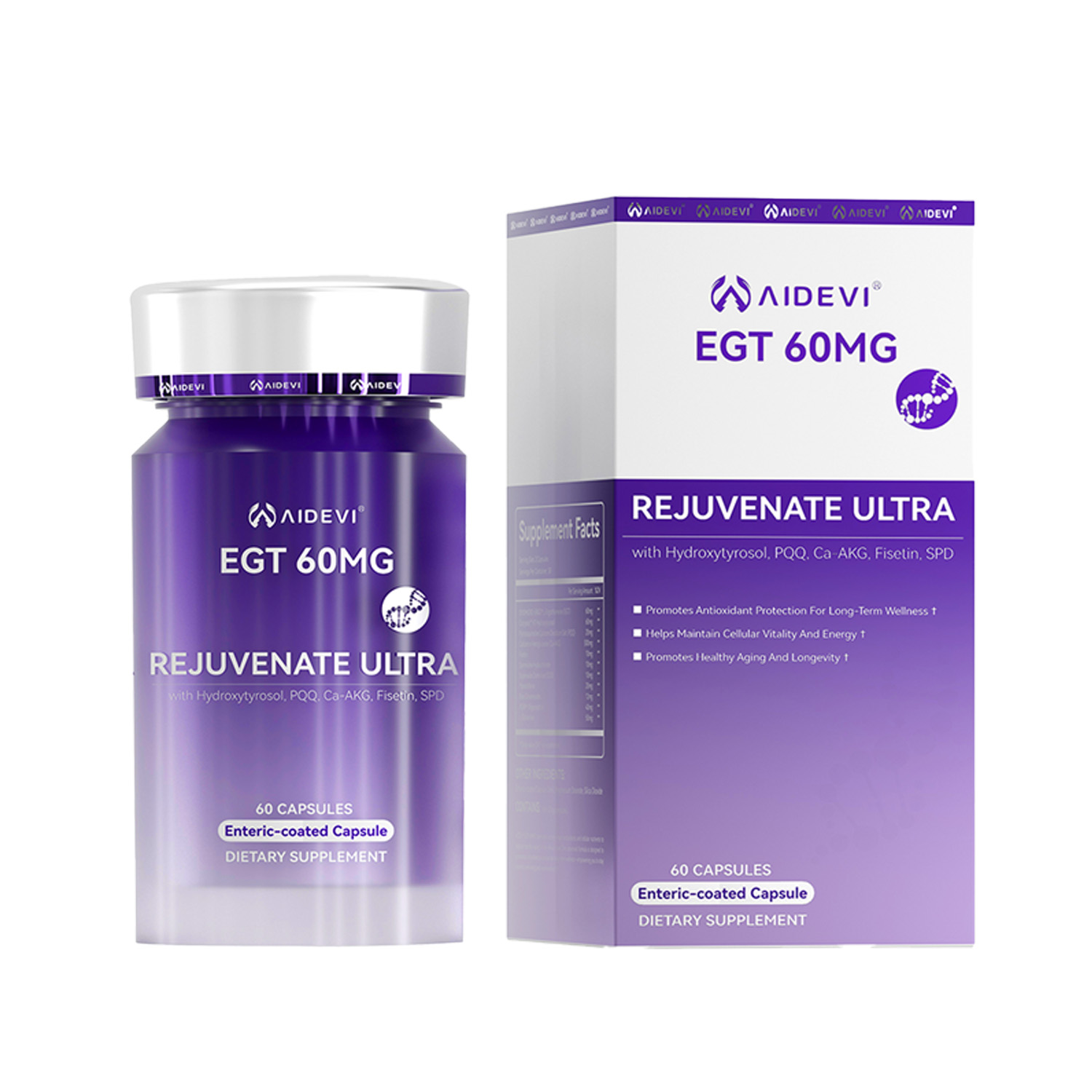
To achieve this comprehensive protection, many health-conscious individuals are turning to AIDEVI EGT Ergothioneine. With 60mg of pure EGT, it serves as a potent antioxidant shield specifically designed for cellular longevity and tissue protection. AIDEVI's commitment to premium quality and lab-verified ingredients ensures you receive the purest form of this vital antioxidant.
AIDEVI NAD+ SUSTAIN: The Ultimate Recovery Formula for Lung Health
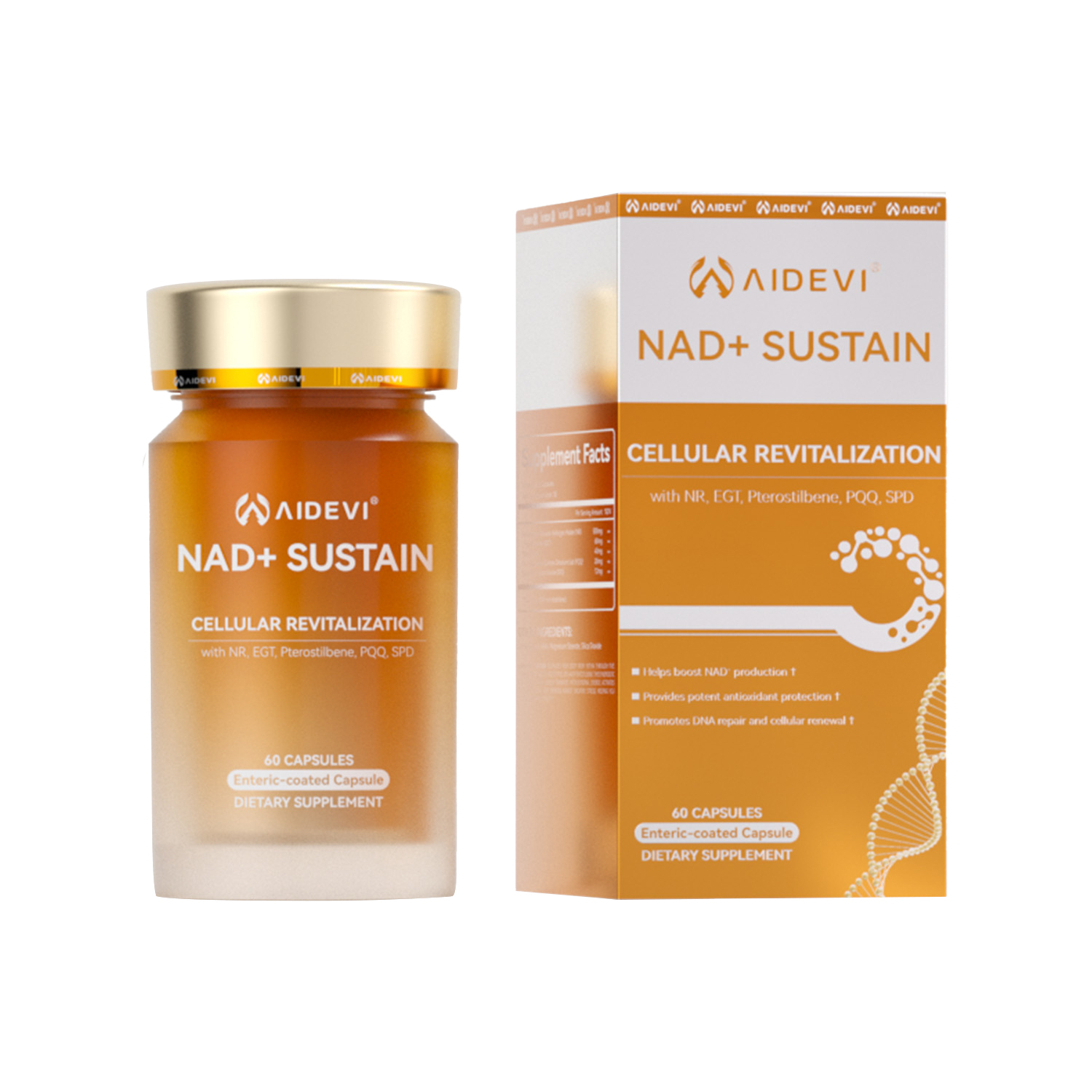
For those concerned about lung health and cellular aging, the quality of the NMN supplement is paramount. AIDEVI NAD+ SUSTAIN is formulated to provide the most effective NAD+ boost available, making it one of the best supplements for smokers lungs.
Why AIDEVI is the Choice for Lung Support:
- High-Purity NMN (300mg): Provides a robust dose to rapidly elevate NAD+ levels in lung tissue, fueling the PARP enzymes for DNA repair and supporting NMN for lung repair.
- Trans-Resveratrol Synergy: Resveratrol is a known activator of SIRT1, which works in tandem with NMN to reduce lung inflammation and promote healthy aging.
- Advanced Enteric-Coated Technology: Ensures that the NMN survives the stomach's acidity and is absorbed in the small intestine, maximizing the amount that reaches your circulation and eventually your lungs. This superior bioavailability is crucial for effective lung support.
- Comprehensive Cellular Support: Beyond the lungs, it supports heart health, cognitive function, and overall metabolic vitality, contributing to overall pulmonary health supplements.
AIDEVI's Commitment to Quality: Our NAD+ Sustain is manufactured in a GMP-certified facility and undergoes rigorous third-party testing for purity and potency, ensuring you receive a product you can trust for your lung health journey.

Practical Steps for Lung Recovery: A Roadmap for Former Smokers
While NMN is a powerful tool, it should be part of a holistic approach to respiratory health. For those wondering how to improve lung function after smoking cessation, here's a roadmap:
1. Smoking Cessation: The First and Most Crucial Step
The single most effective way to improve lung health is to stop smoking. NMN can support the body's repair processes after you quit, helping to accelerate the restoration of lung function. There are numerous resources available to help you on this journey.
2. Targeted Supplementation: NMN Dosage for Lung Repair After Smoking
- Dosage: For those looking to support lung repair, a daily dose of 300mg to 600mg of NMN is typically recommended. This dosage aligns with studies showing benefits for cellular health.
- Consistency: Cellular repair is a gradual process. Consistent daily use of AIDEVI NAD+ SUSTAIN is necessary to maintain the elevated NAD+ levels required for long-term tissue regeneration. Think of it as providing your lungs with the continuous fuel they need to rebuild.
3. Antioxidant-Rich Diet: Fueling Your Body's Defenses
Complement your supplements with foods high in natural antioxidants, such as berries, leafy greens, and cruciferous vegetables. These provide the raw materials your body needs to maintain its defense systems and further aid in lung damage from smoking reversal.
4. Exercise and Hydration: Supporting Lung Function
Regular, moderate exercise can significantly improve lung capacity and overall cardiovascular health. Staying well-hydrated also helps keep mucus thin and easier to clear from the airways.
5. Regular Medical Check-ups: Monitoring Your Progress
Especially for former smokers, regular check-ups with your doctor or pulmonologist are essential to monitor lung function and address any concerns. NMN is a supplement to support health, not a replacement for professional medical care.
Conclusion: Reclaiming Your Respiratory Vitality with NMN
The damage caused by smoking and environmental pollutants is profound, but it is no longer considered entirely irreversible at the cellular level. By leveraging the science of NAD+ repletion through NMN, we can provide our lungs with the resources they need to repair DNA, reduce chronic inflammation, and combat the scarring processes that lead to long-term disease. This offers a powerful strategy for lung repair after quitting smoking and mitigating lung damage from smoking.
Whether you are a former smoker looking to reclaim your vitality or someone living in a high-pollution area, the combination of AIDEVI NAD+ SUSTAIN and AIDEVI EGT Ergothioneine offers a cutting-edge, scientifically backed strategy for respiratory longevity. Take a deep breath and start your journey toward cellular lung repair today, empowering your body with the best supplements for smokers lungs.
Frequently Asked Questions (FAQ)
NMN is a dietary supplement, not a cure for medical conditions. However, research suggests it can help manage the underlying cellular mechanisms of these diseases, such as oxidative stress and inflammation, potentially improving quality of life and slowing progression when used alongside standard medical care. Always consult your healthcare provider for personalized advice.
While NMN can help mitigate some of the oxidative stress and NAD+ depletion caused by smoking, it cannot "cancel out" the massive damage inflicted by active smoking. The most significant benefits of NMN are seen in those who have quit and are using it to support the body's natural recovery processes. We strongly encourage smoking cessation as the primary step for lung health.
Clinical trials have shown NMN to be safe and well-tolerated in humans. However, if you have a chronic lung condition like asthma or COPD, you should always consult with your pulmonologist before starting any new supplement regimen. Your doctor can provide guidance based on your specific health profile.
NAC (N-Acetyl Cysteine) is a precursor to glutathione, a major antioxidant. NMN works differently by boosting NAD+, which is required for energy production and DNA repair. Many people find that using both NMN and NAC provides a more comprehensive approach to lung health, as they address different pathways.
NMN is sensitive to stomach acid. If the NMN is destroyed in the stomach, it won't reach the bloodstream to be delivered to the lungs. AIDEVI's enteric coating ensures the NMN reaches the small intestine for optimal absorption, ensuring higher bioavailability for your respiratory system. This means more NMN reaches your cells where it's needed most for repair.
Lung recovery is a gradual process that varies greatly among individuals. While NMN can accelerate cellular repair, significant improvements in lung function typically begin within a few months to a year after quitting smoking, and continue for many years. Consistent NMN supplementation, combined with a healthy lifestyle, can support and potentially speed up these natural recovery processes. Always consult your doctor for personalized insights into your recovery timeline.
References
- Wu, J., et al. (2022). NAD+ metabolism in lung health and disease. Frontiers in Physiology, 13, 895432.
- Tian, Y., et al. (2023). Nicotinamide Mononucleotide Attenuates LPS-Induced Acute Lung Injury in Mice. Journal of Surgical Research, 283, 123-132.
- Zhang, R., et al. (2023). Assessing the Effects of Nicotinamide Mononucleotide Supplementation on Pulmonary Inflammation in Male Mice Subchronically Exposed to Ambient Particulate Matter. Nutrients, 15(13), 2948.
- Wang, L., et al. (2022). Nicotinamide mononucleotide ameliorates silica-induced lung injury through the Nrf2-Regulated glutathione metabolism pathway in mice. Nutrients, 15(1), 143.
- Fang, T., et al. (2021). Nicotinamide mononucleotide ameliorates senescence in alveolar epithelial cells. Aging Cell, 20(10), e13464.
