



- 2026-04-02 18:19:40
- admin
In the quest for longevity and peak physical performance, few organs are as critical as the human heart. As a tireless engine that beats approximately 100,000 times a day, the heart demands a constant, uninterrupted supply of cellular energy. However, as we age, our cardiovascular system faces a silent decline, often linked to the depletion of a vital coenzyme: Nicotinamide Adenine Dinucleotide (NAD+).
Recent scientific breakthroughs have positioned Nicotinamide Mononucleotide (nmn) as a premier intervention for cardiovascular aging. By replenishing NAD+ levels, NMN offers a multi-faceted approach to heart health, from enhancing mitochondrial efficiency to protecting the delicate lining of our blood vessels. This guide explores the profound relationship between NMN and heart health, grounded in the latest clinical research and expert insights.

NMN Heart Mechanism: Cellular Energy and Cardiovascular Vitality
The Science of NAD+ and Cardiovascular Aging
NAD+ is a core coenzyme in cellular energy metabolism and cell-repair signaling, both of which matter in the aging heart. NMN is a precursor involved in NAD+ biosynthesis and can raise blood NAD+ levels in short-term human studies, but whether that translates into meaningful cardiovascular benefit is still being studied.
NAD+ helps cells convert nutrients into usable energy and also serves as a substrate for enzymes involved in DNA repair and stress-response pathways. In the context of cardiovascular aging, that makes NAD+ biologically important—but it does not mean that increasing NAD+ automatically improves heart health in humans. Current evidence supports scientific relevance, not definitive clinical proof.
Why the Aging Heart Depends on Efficient Energy Metabolism
The heart is a high-demand organ that relies heavily on oxidative metabolism to produce ATP. Cardiomyocytes are densely packed with mitochondria so they can sustain continuous contraction, and age-related changes in mitochondrial function are one reason cardiovascular performance can become less resilient over time. This is why researchers pay close attention to metabolic pathways linked to NAD+ when studying cardiovascular aging.
When mitochondrial regulation becomes less efficient, the heart may be more vulnerable to oxidative stress, impaired cellular maintenance, and maladaptive remodeling. These processes are relevant to cardiovascular aging, but they are influenced by many factors, including blood pressure, metabolic health, inflammation, and lifestyle. A trustworthy explanation should present NAD+ biology as one part of a larger picture, not as a standalone answer.
Where NMN Fits
NMN is one of the precursors used in NAD+ biosynthesis. Human trials suggest that oral NMN can increase blood NAD+ or related metabolites and appears to be well tolerated in short-term studies, but researchers still consider its metabolism, bioavailability, and tissue-specific effects to be incompletely understood.
For readers interested in heart health, the most accurate takeaway is this: NMN is a promising area of research, not an established cardiovascular therapy. A recent meta-analysis found a modest reduction in diastolic blood pressure but no significant overall reduction in systolic blood pressure, and the authors called for larger, longer, high-quality trials before stronger conclusions can be made.
Potential Cardiovascular Benefits of NMN: What the Evidence Suggests
NMN is being studied for cardiovascular health because it supports NAD+ metabolism, a process involved in cellular energy production, vascular signaling, and stress response. However, current human evidence remains limited, and most stronger claims about cardioprotection still come from mechanistic or animal research rather than proven clinical outcomes in patients with cardiovascular disease.
1. Vascular Function and Endothelial Health
Endothelial health is one of the most plausible areas of interest in NMN research because the endothelium helps regulate vascular tone, circulation, and inflammatory balance. Early human studies suggest NMN may improve selected vascular markers in some groups, while mechanistic research continues to explore how NAD+-dependent pathways may influence endothelial signaling.
Even so, the current human evidence is not strong enough to conclude that NMN reliably restores endothelial function, improves circulation in the general population, or reduces hypertension risk as a proven clinical effect. A recent meta-analysis found a small reduction in diastolic blood pressure, but no significant overall effect on systolic blood pressure in adults as a whole.

NMN Vascular Health: Maintaining Healthy Arteries
2. Ischemia-Reperfusion and Oxidative Stress Research
NMN is also being investigated for its potential role in preserving mitochondrial function and limiting oxidative stress during ischemia-reperfusion injury, a process that occurs when blood flow is interrupted and then restored. This line of research is scientifically important, but it remains primarily preclinical and should be described as a promising research direction rather than a confirmed human cardiovascular benefit.
For trust and compliance, avoid stating that NMN “significantly reduces infarct size” in humans unless you are citing high-quality clinical outcome trials that directly show this. At present, that level of clinical certainty has not been established for routine human use.
3. Cardiac Remodeling and Heart Failure Research
Researchers are exploring whether NMN-related NAD+ pathways may be relevant to cardiac remodeling, mitochondrial resilience, and cellular stress responses linked to hypertrophy and heart failure biology. This makes NMN an interesting topic in cardiovascular aging research, but it does not establish NMN as a proven therapy for cardiac hypertrophy or heart failure in humans.
A more trustworthy formulation is to say that NMN is under investigation for possible relevance to cardiac structure and function, while standard cardiovascular prevention and guideline-based treatment remain the evidence-based foundation of care.
Clinical Evidence: What Human Studies Actually Show
Human research on NMN is still at an early stage. The strongest conclusions from current trials relate to short-term tolerability and possible effects on selected metabolic or vascular markers in specific populations. However, existing studies are generally small and short in duration, so they do not yet establish NMN as a proven intervention for preventing or treating cardiovascular disease.
In an early first-in-human study, single oral doses of 100 mg, 250 mg, and 500 mg NMN were administered to healthy men. The study supports the view that NMN was acutely well tolerated under the tested conditions and was measurably metabolized in humans. Because this was a small, single-dose safety study rather than an efficacy trial, it should be cited as evidence of short-term tolerability, not as proof of cardiovascular benefit.
In a 10-week randomized, double-blind, placebo-controlled trial involving postmenopausal women with overweight or obesity and prediabetes, 250 mg/day of NMN improved skeletal muscle insulin sensitivity and changed gene-expression pathways linked to muscle remodeling. These findings are relevant to cardiometabolic health, but the study did not establish that NMN improves blood pressure, prevents heart disease, or delivers direct cardiovascular outcomes.
In overweight or obese middle-aged and older adults, 1000 mg twice daily for 28 days increased circulating NAD levels and was associated with modest reductions in diastolic blood pressure and LDL-related lipid measures compared with placebo. These results are promising, but the trial was short-term and not designed to prove that NMN prevents or treats cardiovascular disease. The findings are best described as preliminary evidence supporting further study in cardiometabolic risk reduction.
Taken together, current human studies suggest that NMN appears promising but not yet definitive for cardiovascular-related health claims. A recent meta-analysis found a small reduction in diastolic blood pressure, but no significant overall effect on systolic blood pressure in the general adult population, and it emphasized the need for larger, longer, and more rigorous trials before firm clinical conclusions can be made.
| Study | What the study supports | What it does not prove | Dose / Duration |
|---|---|---|---|
| Irie et al. (Keio University) | Single oral doses of NMN were acutely well tolerated in healthy men and were measurably metabolized in humans. | This was a small first-in-human safety study, not a cardiovascular efficacy trial. | 100-500 mg, single dose |
| Yoshino et al. (Washington University) | NMN improved skeletal muscle insulin sensitivity in postmenopausal women with prediabetes, suggesting possible cardiometabolic relevance. | The trial did not prove direct cardiovascular benefit or disease prevention. | 250 mg/day, 10 weeks |
| Pencina et al. (JCEM) | NMN increased circulating NAD levels and was associated with modest improvements in diastolic blood pressure and LDL-related lipids in overweight or obese older adults. | The trial was short-term and does not establish NMN as a treatment for cardiovascular disease. | 1000 mg twice daily, 28 days |
"The restoration of NAD+ levels via NMN supplementation represents one of the most promising frontiers in preventative cardiology. It addresses the root cause of cellular aging rather than just managing symptoms." — Cardiovascular Research Perspective

NMN Clinical Research: Scientific Evidence for Heart Protection
Synergistic Strategies for Cardiovascular Vitality
NMN is a powerful tool, but its effects are amplified when combined with a heart-healthy lifestyle.
The Power of Synergy: NMN + Exercise
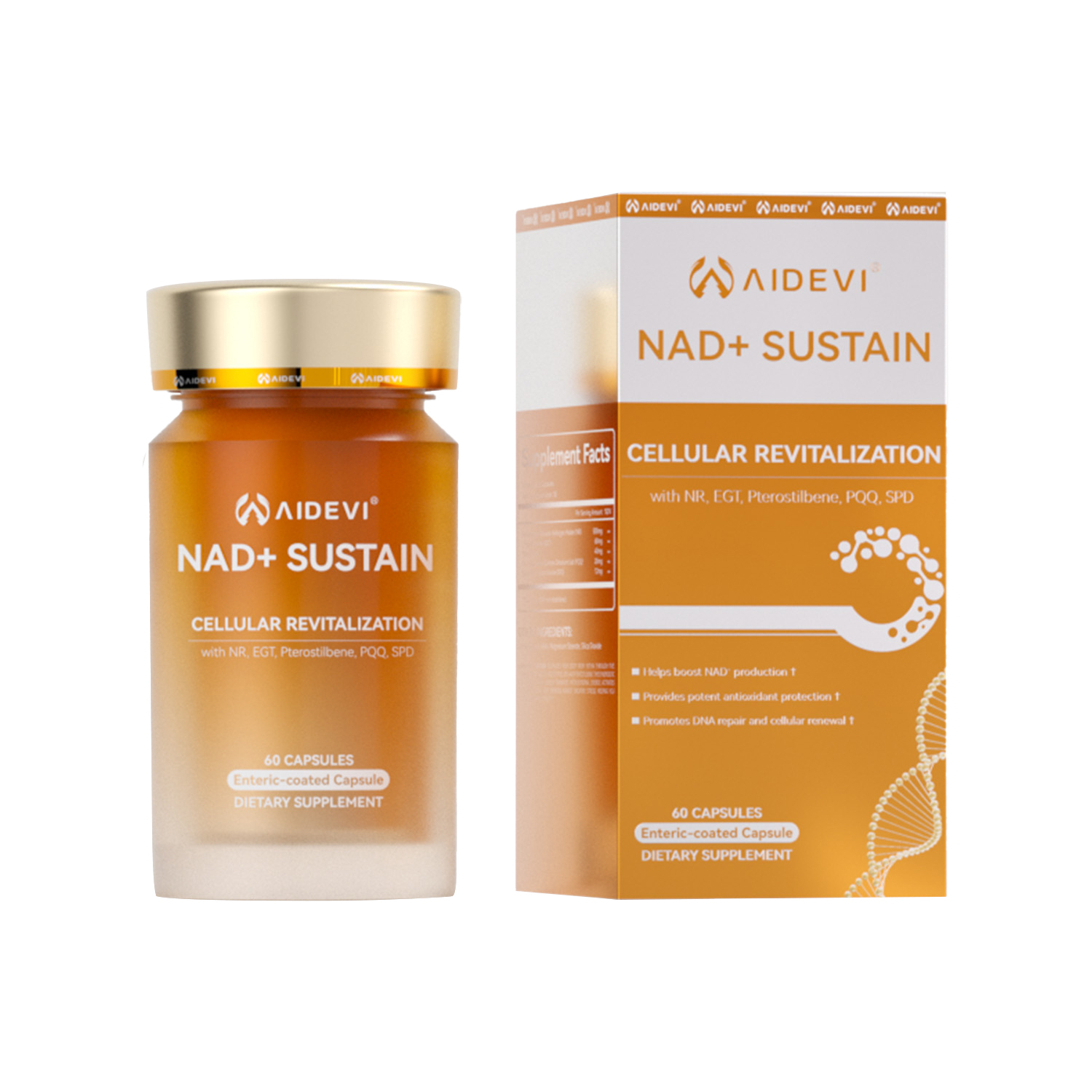
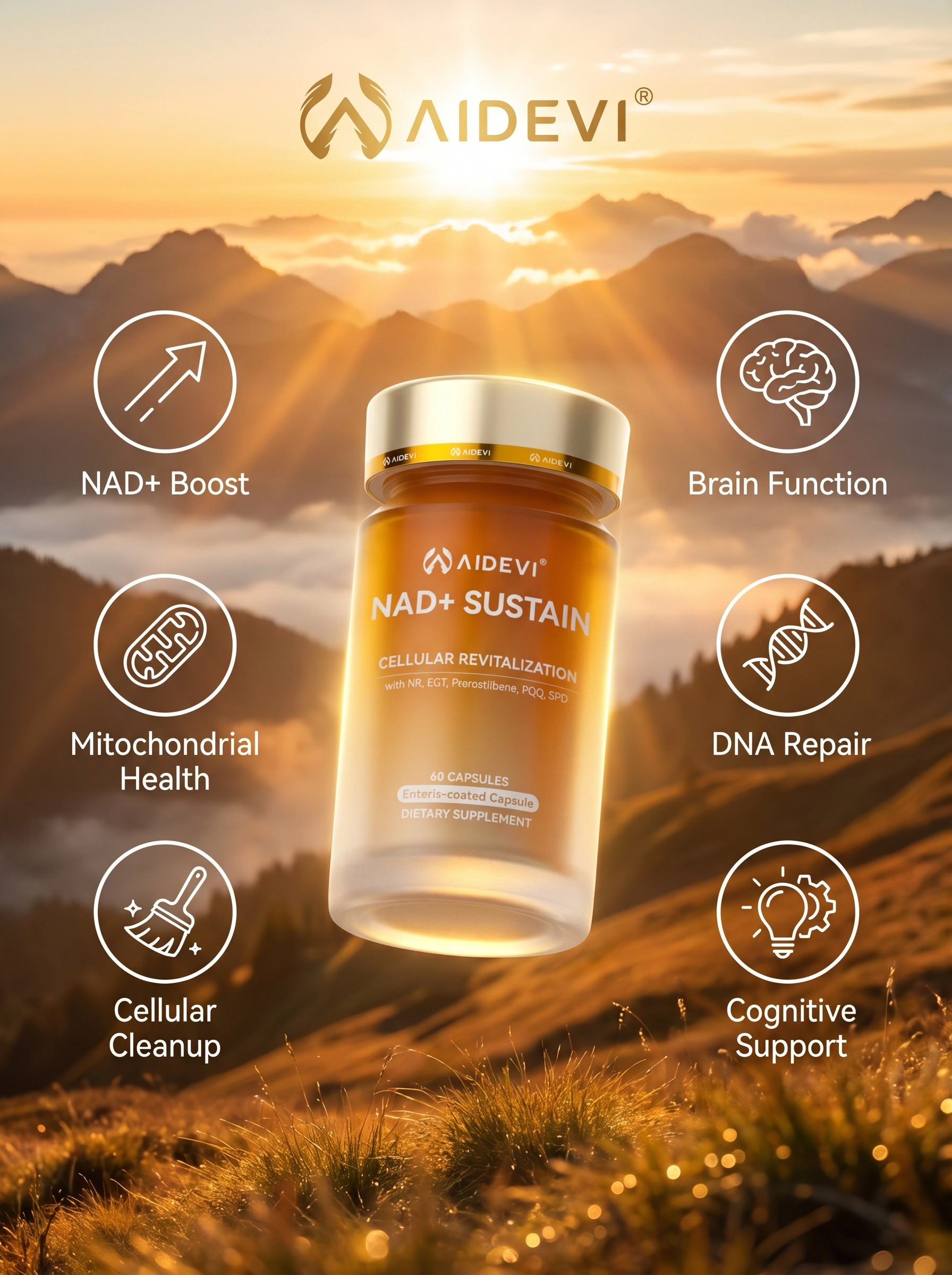
Aerobic exercise naturally boosts NAD+ levels by activating the enzyme NAMPT. When you combine exercise with NMN supplementation, you create a synergistic effect that maximizes cardiovascular protection. For those looking for comprehensive support, AIDEVI NAD+ Sustain is designed to provide long-lasting NAD+ elevation throughout the day.
Nutritional Support
Pairing NMN with other antioxidants can further reduce oxidative stress on the heart. Consider incorporating:
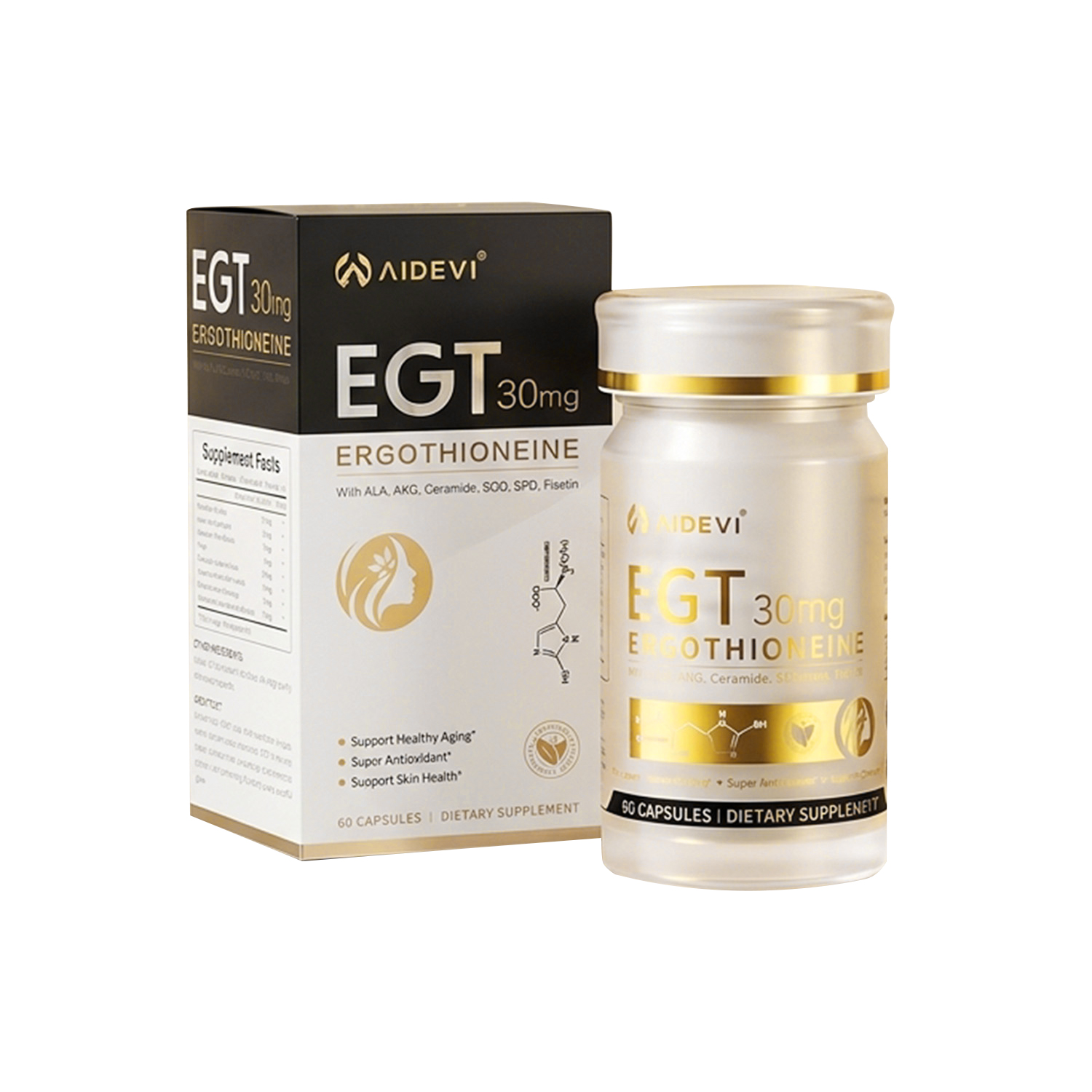
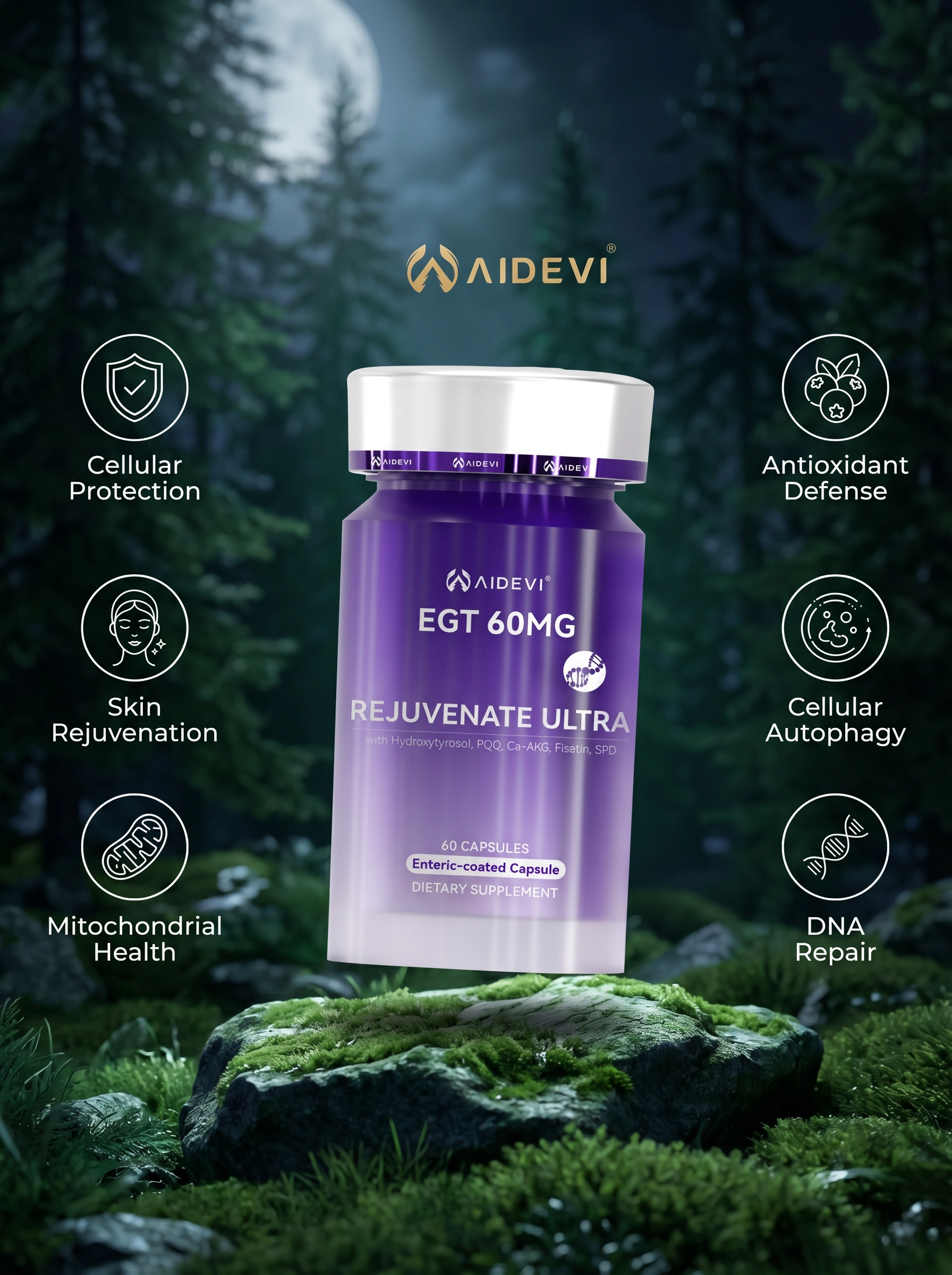
- Ergothioneine (EGT): A potent cellular protector found in AIDEVI EGT.
- CoQ10: Essential for mitochondrial energy production.
- Resveratrol: Works alongside NMN to activate Sirtuins more effectively.

NMN Heart Supplement Lifestyle: Synergy with Active Living
Heart Health Vitality Checklist
To maximize your cardiovascular benefits from NMN, follow this practical checklist:
- [ ] Choose High-Purity NMN: Ensure your supplement is third-party tested for purity (e.g., AIDEVI NMN 18000).
- [ ] Consistent Dosage: Most clinical trials suggest a daily dose of 250mg to 600mg for optimal heart support.
- [ ] Morning Administration: Take NMN in the morning to align with your body's natural circadian rhythms of NAD+ production.
- [ ] Monitor Blood Pressure: Keep track of your cardiovascular metrics to see the tangible benefits of supplementation.
- [ ] Stay Active: Aim for at least 150 minutes of moderate-intensity aerobic activity per week.
Frequently Asked Questions (FAQs)
What does current human research say about NMN and heart health?
Current human research on NMN and cardiovascular health is still early. Some small studies suggest possible effects on markers such as blood pressure, arterial stiffness, or metabolic health, but the evidence is not yet strong enough to conclude that NMN prevents or treats heart disease.
Can NMN lower blood pressure?
NMN has shown some promising signals in limited human research, especially for certain cardiovascular or metabolic markers. However, the current evidence does not support describing NMN as a proven blood pressure treatment, and results may vary by population, dosage, and study length.
Is NMN proven to prevent heart disease, heart attacks, or heart failure?
No. NMN is being studied for possible cardiovascular relevance, but current human evidence does not prove that it prevents heart disease, heart attacks, or heart failure. Any article that discusses those outcomes should clearly distinguish between early mechanistic research, animal data, and proven clinical outcomes.
Is NMN safe for people with heart conditions or those taking cardiovascular medication?
Short-term human studies have generally reported that NMN is well tolerated, but that is not the same as proving long-term safety for people with existing cardiovascular disease. Anyone with heart disease, hypertension, arrhythmia, or prescription medication use should speak with a qualified clinician before adding NMN.
How long does it take to see cardiovascular benefits?
While cellular NAD+ levels rise within hours, physiological changes like improved arterial elasticity and blood pressure regulation typically become measurable after 4 to 12 weeks of consistent use.
Should NMN replace exercise, diet, sleep, or prescribed treatment for heart health?
No. The strongest cardiovascular benefits still come from established measures such as blood pressure control, lipid management, exercise, sleep, smoking cessation, and following medical advice. NMN, if used at all, should be presented as a possible adjunct rather than a replacement for proven care.
Conclusion: Investing in Your Heart's Future
The heart is the foundation of our vitality. By addressing the age-related decline in NAD+ through NMN supplementation, we can provide our cardiovascular system with the energetic resources it needs to thrive. Whether you are looking to maintain your current health or proactively combat the signs of aging, NMN offers a scientifically-backed path to a stronger, more resilient heart.
Explore the full range of AIDEVI's premium NAD+ boosters and take the first step toward lifelong cardiovascular vitality.
References
- Deng, H., et al. (2024). Nicotinamide Mononucleotide: Research Process in Cardiovascular Diseases. International Journal of Molecular Sciences. https://pmc.ncbi.nlm.nih.gov/articles/PMC11394709/
- Zhang, R., et al. (2017). Short-term administration of Nicotinamide Mononucleotide preserves mitochondrial ultrastructure and prevents cell death in the heart. Journal of Molecular and Cellular Cardiology. https://www.sciencedirect.com/science/article/abs/pii/S0022282817303036
- Harvard Medical School Study (2023). NMN Cuts Weight, Cholesterol, and Blood Pressure in Overweight Adults. https://www.nad.com/news/harvard-study-nmn-cuts-weight-cholesterol-and-blood-pressure-in-overweight-adults
- Benjamin, C., et al. (2024). Nicotinamide Mononucleotide Supplementation and Cardiometabolic Health. PMC. https://pmc.ncbi.nlm.nih.gov/articles/PMC11205942/
- Frontiers in Pharmacology (2024). The versatile multi-functional substance NMN: its unique role in cardiovascular protection. https://www.frontiersin.org/journals/pharmacology/articles/10.3389/fphar.2024.1436597/full
