











Quick answer: Most people do best taking TMG (trimethylglycine, also called betaine) in the morning or at lunch, ideally with a meal. This tends to be gentler on digestion and less likely to interfere with sleep.
Timing isn’t strict. What matters most is daily consistency and choosing a time you’ll actually stick with.
If you’re sensitive to sleep or have medical conditions/medications, use the “Night vs Morning” section below and consider checking with a clinician.
Key takeaways
-
Best default: Take TMG with breakfast or lunch.
-
Stomach sensitivity: With food is usually more comfortable than empty stomach.
-
Best results habit: Consistency beats clock time (same time daily).
-
Avoid if sleep-sensitive: Don’t take it close to bedtime if you notice restlessness.
-
Higher doses: Consider splitting into two doses with meals (AM/PM).
 |
N M N+ TMGA cellular NAD+ booster with ultra-pure nmn and resveratrol in research-proven dosages.* |
 |
TMG timing cheat sheet (pick what fits you)
| Your situation | Best time to take TMG | With food? | Quick note |
|---|---|---|---|
| General daily support | Breakfast or lunch | Yes | Easiest routine for most people |
| Sensitive stomach | Breakfast | Yes | Meals often reduce nausea |
| Sleep feels lighter / restless | Morning only | Optional | Avoid late-day dosing |
| Taking higher amounts | Breakfast + dinner (split) | Yes | Split doses can feel gentler |
| You keep forgetting | The time you never miss | Optional | Consistency is the point |
What Is TMG (Trimethylglycine/Betaine) and What Does It Do?
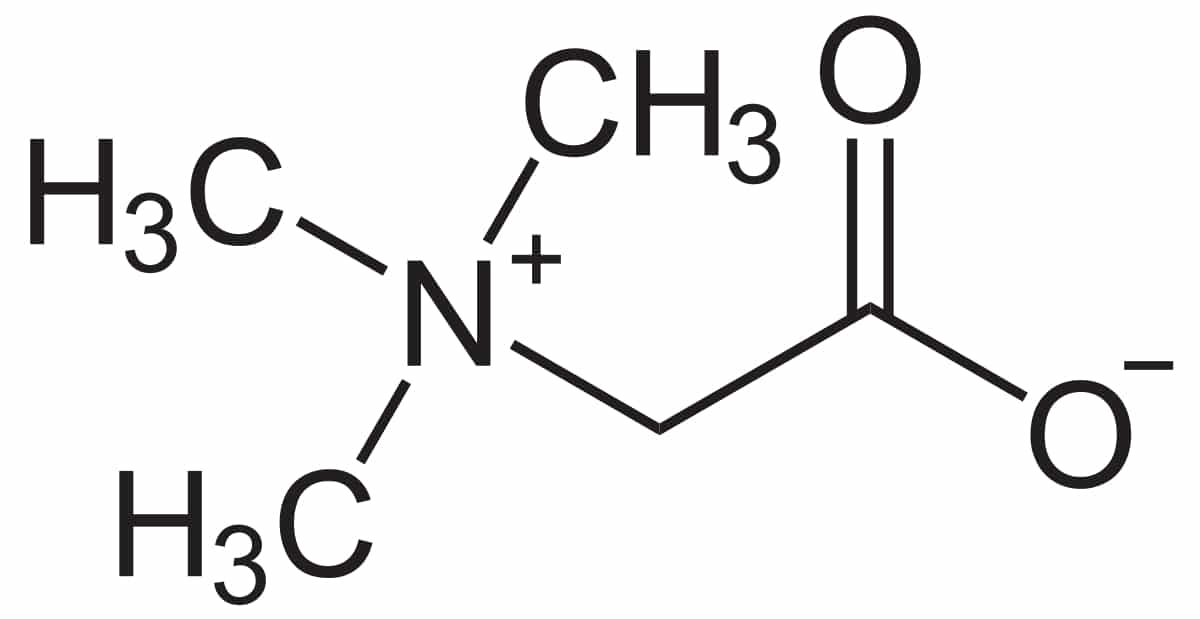
TMG (trimethylglycine), also called betaine, is a compound the body uses as a “methyl donor.” In practical terms, it participates in methylation-related chemistry and is commonly discussed for its role in homocysteine metabolism.
You can get betaine from foods (for example, beets and certain grains), but supplements provide a consistent amount for people who want a steady intake.
Important: Research and product guidance usually focus on dose consistency rather than a strict “best hour of the day,” which is why most timing advice is about comfort and routine.
When Is the Best Time to Take TMG Supplement?
-v1770251768343.webp)
For most people, the best time to take TMG (trimethylglycine), also called betaine, is in the morning or midday, ideally with a meal.
Best default routine (most people)
-
Take it with breakfast or lunch (easier to remember + often gentler on the stomach).
-
Aim for consistency over a “perfect hour.” Clinical betaine guidance focuses on taking it at around the same times each day (commonly twice daily), rather than a specific time-of-day.
-
If sleep feels lighter, move your dose earlier in the day (individual sensitivity varies).
Note: The citations above refer to betaine (trimethylglycine) as used in clinical settings. Supplement labels vary, but these directions are still useful as best-practice habits for consistency and tolerance.
TMG With Coffee
If you drink coffee first thing, you can still take TMG in the morning—many people simply find it more comfortable after a few bites of breakfast rather than alongside coffee on an empty stomach.
Why this helps: coffee can increase gastric acid secretion and is associated with dyspepsia-type symptoms (like nausea/upper stomach discomfort) in some people, especially when taken without food.
Try this order if you’re sensitive:
Eat a few bites of breakfast
Take TMG with the meal
Have coffee after (or with food)
If TMG Upsets Your Stomach
TMG/betaine can cause GI side effects like nausea in some people.
If you feel stomach discomfort, the simplest fixes are:
Take TMG with a full meal (often recommended in clinical directions for betaine).
Start lower and build slowly if you’re new or sensitive—clinical guidance commonly starts at a lower dose and increases based on response.
Split the dose across two meals (AM + PM with meals) if your daily amount is larger or if a full dose at once feels rough—betaine is commonly taken in divided doses in clinical use.
Quick self-check: If nausea persists even with food and a lower/split dose, stop and talk with a healthcare professional—especially if you have a medical condition or take medications.
Taking TMG With Food or on an Empty Stomach
Quick answer: If you’re unsure, start with TMG (trimethylglycine/betaine) taken with a meal—it’s commonly recommended that betaine be taken with meals, and GI side effects (like nausea or stomach discomfort) are among the most reported issues in clinical use. (Note: this refers to TMG/betaine, not “betaine HCl,” which is a different ingredient used for stomach acid.)
Take TMG with food (best default for most people)
-
Many people prefer taking TMG with breakfast or lunch because it can feel gentler on digestion. Clinical product guidance for betaine emphasizes taking it with meals, and real-world adverse event reports include nausea and GI distress.
-
If you’re using a powder, clinical labeling allows it to be mixed with water/juice/milk or mixed with food for immediate ingestion, which can be useful for tolerance.
Take TMG on an empty stomach (optional, if you tolerate it well)
-
Some people do fine taking TMG without food. If you try it this way, use a simple rule: keep everything else the same for 3–7 days (dose, caffeine timing, other supplements) so you can clearly judge stomach comfort and sleep.
If TMG causes stomach upset (practical fixes)
-
Move it to a larger meal (not just coffee).
-
Split the dose across two meals if your daily amount is more than one capsule/scoop.
-
If symptoms persist, reduce the dose or stop and speak with a clinician—especially if you’re using betaine for a diagnosed condition (e.g., homocystinuria).
Best Time to Take TMG for Specific Goals
Different goals can shape timing, but the strongest evidence base for betaine/TMG generally reflects consistent daily intake over weeks, not a strict clock-time “hack.”
For Heart Health and Homocysteine Support
-
For homocysteine-related support, consistency matters more than the exact hour. A meta-analysis in healthy adults found that betaine supplementation (commonly 4–6 g/day) lowered plasma homocysteine over 6–24 weeks—a pattern that supports the idea that steady, repeatable daily use is the main driver, not morning vs afternoon.
-
Choose a time you can reliably keep (breakfast or lunch are common). If you’re managing cardiovascular risk factors, note that some analyses report LDL/total cholesterol increases at higher doses (≥4 g/day) in trial settings—another reason to favor a clinician-informed approach if you’re using larger amounts.
For Energy, Focus, or Mental Clarity
-
Evidence for a predictable “energy” effect from TMG is not consistent for everyone, so the best approach is symptom-guided timing:
-
If you feel more alert after taking it, use morning or early afternoon.
-
If you notice restlessness or lighter sleep, shift earlier or take it with lunch rather than later in the day.
-
For Exercise or Physical Performance
-
Research on betaine/TMG in performance settings is typically chronic supplementation (taken daily over time), not a requirement to take it right before training. A 2024 systematic review/meta-analysis evaluated chronic betaine protocols for exercise outcomes—supporting the practical takeaway that the “best time” is the one that makes your routine consistent.
-
If you train early, taking it with breakfast can be convenient; if you train later, taking it earlier in the day may be preferable if you’re sensitive to sleep disruption.
|
N M N+ TMGA cellular NAD+ booster with ultra-pure NMN and resveratrol in research-proven dosages.* |
|
Should You Avoid Taking TMG at Night?
Quick answer: If you’re unsure, take TMG (trimethylglycine/betaine) earlier in the day, and avoid taking it right before bed. There’s no strong evidence that TMG must be taken at a specific hour, but timing can matter for sleep-sensitive people.
Why night use can be a problem for some people (and why evidence is mixed):
-
TMG isn’t classified as a stimulant, but it participates in one-carbon metabolism (methyl donation) and broader metabolic regulation—including pathways linked to cellular/mitochondrial function—so some people perceive it as “energizing” or notice changes in how they wind down.
-
Betaine (TMG) can interact with brain chemistry in experimental research—for example, studies show betaine can modulate GABA transport (an inhibitory neurotransmitter system). This does not prove it disrupts sleep, but it’s a plausible reason individual responses may vary.
-
In prescription betaine (betaine anhydrous) labeling/clinical use, reported adverse effects include nausea and GI distress and rare “psychological changes,” reinforcing that tolerability can differ across people.
Practical sleep-friendly timing rules (easy to follow):
-
If you’re sleep-sensitive: take TMG with breakfast or lunch, not late evening.
-
If you try it after 6–8 pm and notice lighter sleep, restlessness, or trouble winding down: move it to the morning for 7 days before judging.
-
If you must take it later due to schedule: take it with dinner, not right before bed, and keep the dose conservative.
Trust note: Research and medical guidance for betaine typically emphasize dose and consistency, not a universal “best time of day.” That’s why the best approach is “earlier by default, personalize if needed.”
Should You Split Your TMG Dose? (Once vs Twice Daily)
Quick answer: You don’t have to split TMG, but splitting can help if you (a) take a larger daily amount, or (b) notice stomach discomfort with a single dose.
What the literature supports (and how to apply it to supplements):
-
In clinical use of betaine anhydrous (prescription betaine for homocystinuria), dosing is commonly divided twice daily, and administration can be with food (mixed with liquids or food).
-
While supplement doses are often much smaller than prescription grams, the same tolerability logic applies: dividing intake can feel gentler and easier to maintain.
A simple, user-friendly approach (choose one):
-
Once daily (simplest habit): Take the full dose with breakfast.
-
Twice daily (often gentler): Take half with breakfast and half with lunch or dinner.
-
If you’re sleep-sensitive, make the second dose lunch instead of dinner.
-
How to test split dosing without confusing results:
-
Keep the same total daily dose.
-
Change only the schedule (once vs twice daily).
-
Run the test for 7 days, noting sleep and digestion.
Tip for easy referencing (one-line guidance):
If TMG bothers your stomach or your dose is higher, split it (AM + lunch/dinner); if it affects sleep, keep the second dose at lunch.
How Much TMG Is Commonly Used
TMG (trimethylglycine), also called betaine, is sold as both a dietary supplement and a prescription medication. The “right” amount depends on why you’re taking it, your tolerance, and whether you’re using it under medical supervision.
Common supplement serving sizes (everyday use)
Most TMG supplements provide hundreds of milligrams to ~1 gram per serving (often capsules/tablets). Powders can provide multi-gram servings, which is why label ranges can look very different from product to product.
A practical starting range (general wellness):
-
500–1,000 mg once daily, preferably with food
-
Increase only if you tolerate it well and have a clear reason for changing the dose (see “Safety” below)
Doses used in research (homocysteine-focused studies)
In randomized placebo-controlled trials, betaine/TMG has commonly been studied at 4–6 grams per day, often for 6–24 weeks, with a measurable reduction in plasma homocysteine in healthy adults.
Important context: grams-per-day study doses are much higher than what many capsule products provide per serving. Don’t “scale up” automatically—higher dose is not always “better,” and individual tolerance varies.
Prescription dosing is different (medical conditions)
Prescription betaine (Cystadane®) is used for homocystinuria under clinician direction. The FDA-approved label lists a recommended dosage of 6 g/day split into 3 g twice daily, and notes dose adjustments and lab monitoring.
Mayo Clinic’s clinical guidance similarly describes a starting dose of 3 g twice daily with meals for homocysteine buildup prevention/treatment (medical use).
How to choose a routine (simple decision guide)
-
If you’re taking <1 g/day: once daily with breakfast is usually easiest.
-
If you’re taking multi-gram doses (powders or clinician-guided dosing): splitting into AM + PM with meals often fits real-world protocols (and matches how prescription betaine is commonly taken).
Do You Need to Cycle TMG (Take Breaks)?
There’s no established requirement to cycle TMG. In prescription use for homocystinuria, the FDA label notes patients have taken betaine for many years without evidence of tolerance (meaning it doesn’t necessarily “stop working” over time in that clinical context).
That said, optional cycling can be useful for self-evaluation if you’re taking TMG for general support and want to see whether it meaningfully affects how you feel.
Simple self-check method (low-stakes approach):
-
Take it consistently for 3–4 weeks
-
Pause for 1–2 weeks
-
Note changes in digestion, sleep quality, and overall routine consistency
If you’re using TMG under medical supervision or monitoring a lab marker (like homocysteine), discuss any changes with a clinician first.
Safety, Side Effects, and Who Should Be Careful
TMG/betaine is often well tolerated, but side effects can happen—especially with higher doses.
Common side effects people report
Clinical medication references list nausea, diarrhea, and body odor among side effects that may occur.
Taking betaine with meals is standard in medical guidance and may improve tolerability for some people.
A practical, user-friendly way to start
-
Start low: use the lowest end of the product label for 3–7 days
-
Increase gradually only if needed and only if you tolerate it well
-
Take with food (breakfast or lunch is a common default)
-
If you’re using a multi-gram dose, consider splitting it across meals (this matches common prescription administration patterns).
Higher doses: extra cautions (especially for specific populations)
-
In homocystinuria due to CBS deficiency, prescription betaine can raise methionine, and the FDA label warns about hypermethioninemia and rare cerebral edema, requiring lab monitoring.
-
A recent review notes that in some contexts, ≥4 g/day may adversely affect lipid profile in people with underlying metabolic disorders, suggesting caution with higher-dose supplementation unless there’s a clear reason and appropriate monitoring.
When to adjust timing/dose (or stop and get help)
Consider lowering the dose, taking it earlier, or stopping and seeking medical advice if you notice:
-
persistent nausea/diarrhea or worsening GI symptoms
-
feeling unusually restless or “wired” that affects sleep (move it earlier in the day)
-
severe headache, vision changes, or other concerning symptoms (seek care promptly)
|
N M N+ TMGA cellular NAD+ booster with ultra-pure NMN and resveratrol in research-proven dosages.* |
|
Conclusion
For most people using TMG as a supplement, the most sustainable approach is:
-
start low,
-
take it with food, and
-
prioritize consistency over chasing high doses.
If you’re considering multi-gram dosing (especially for homocysteine-related goals), it’s worth treating that as a higher-stakes decision: research and prescription references use grams-per-day protocols, but they also emphasize structured dosing and, in some cases, monitoring.
FAQs
Can I take TMG at night?
You can, but many people prefer not to. Night use may feel too stimulating for some and can interfere with sleep.
Should TMG be taken with food?
Taking TMG with food often feels gentler on the stomach. Many people start this way to reduce digestive discomfort.
How long does it take for TMG to work?
Some effects related to comfort or energy may be noticed within days. Changes linked to homocysteine balance usually depend on consistent use over weeks.
Can TMG affect sleep?
In some people, yes. If sleep feels lighter, moving TMG to the morning often helps.
Is it better to take TMG daily or occasionally?
Daily use tends to make more sense for steady support. Occasional use is less likely to provide consistent effects.
Is TMG the same as betaine?
In supplements, TMG is commonly the same thing as betaine (trimethylglycine). Labels may use either term.
Should I split my TMG dose?
You don’t have to, but splitting (AM + PM with meals) can feel gentler for some people and can be easier for higher daily amounts.
Do I need to cycle TMG?
Not usually. Some people take breaks only to evaluate how they feel without it.
Can I take TMG with creatine / B vitamins?
Many people do for convenience, but it’s best to change one thing at a time and watch tolerance.
Reference list
1. U.S. Food and Drug Administration (FDA). Cystadane (betaine anhydrous) prescribing information (label). 2018.
2. DailyMed (National Library of Medicine). CYSTADANE- betaine powder, for solution: Drug Information.
3. MedlinePlus (National Library of Medicine). Betaine: MedlinePlus Drug Information.
4. Mayo Clinic. Betaine (oral route): Description & Proper Use (includes “take with meals” and typical dosing).
5. European Medicines Agency (EMA). Cystadane EPAR – Product information (betaine anhydrous).
6. Cleveland Clinic. Betaine anhydrous oral powder for solution: Uses, directions, and side effects.
