




What Is NAD+? The Core Currency of Cellular Energy
Have you ever wondered why you could pull all-nighters in your twenties and bounce back the next day, but now a single late night leaves you feeling drained for a week? The answer isn't just "getting older"—it comes down to a microscopic molecule that acts as the core currency of your cellular energy: NAD+.
Nicotinamide Adenine Dinucleotide (NAD+) is one of the most crucial molecules in the human body, second only to water in its importance for our survival. It is the invisible engine driving your metabolism, the guardian of your DNA, and the key to maintaining youthful vitality. Yet, despite its critical role, most people have never heard of it until they start searching for solutions to chronic fatigue or age-related decline.
In this comprehensive guide, we will explore what NAD+ is, why it inevitably declines as we age, and how you can restore this vital cellular currency to reclaim your energy and cognitive sharpness.
Table of Contents
- What Is NAD+? The Core Currency of Cellular Energy
- Why Do NAD+ Levels Decline with Age?
- Signs of NAD+ Deficiency: Are You Running on Empty?
- The NAD+ to NADH Cycle Explained
- How to Boost NAD+ Naturally
- NAD+ Supplements: Direct NAD+ vs. Precursors (NMN/NR)
- AIDEVI NAD+ 15000: Your Cellular Energy Solution
- Conclusion
- Frequently Asked Questions
- References
What Is NAD+? The Core Currency of Cellular Energy
To understand NAD+, it helps to think of your body as a bustling metropolis and your cells as individual factories. Inside these factories are power plants called mitochondria. Their job is to convert the food you eat into ATP (Adenosine Triphosphate), the usable energy that powers everything from your heartbeat to your deepest thoughts.
However, mitochondria cannot produce ATP on their own. They require a currency to facilitate the transaction, and that currency is NAD+. It acts as a cellular shuttle bus—picking up electrons from the nutrients you consume and transporting them to the mitochondria. Without NAD+, this energy transfer halts, ATP production plummets, and your cellular factories grind to a standstill.[1]

Beyond energy production, NAD+ is also the essential fuel for sirtuins—a family of proteins often referred to as the "guardians of the genome." Sirtuins regulate cellular health, repair damaged DNA, and control inflammation. But here is the catch: sirtuins can only function when NAD+ is present. When NAD+ levels drop, your body's natural repair mechanisms are compromised, accelerating the very aging process you are trying to slow down.
Key Fact
NAD+ is involved in over 500 enzymatic reactions in the human body — making it one of the most versatile and indispensable molecules in all of biology.
Why Do NAD+ Levels Decline with Age?
If NAD+ is so important, why do we run out of it? The unfortunate reality of human biology is that our NAD+ supply is not infinite, and the demand for it increases drastically as we age. By the time you reach your 40s, your NAD+ levels have already dropped by approximately 50% compared to your youth. By age 60, you may be operating on less than 30% of your original supply.[2]

This decline happens for two primary, compounding reasons. First, as we age, the enzymes responsible for synthesizing NAD+ become less efficient — your body simply cannot produce it as quickly as it once did. Second, aging brings with it accumulated DNA damage from environmental stressors like UV light, pollution, and poor diet. To repair this damage, your body activates an enzyme called PARP1, which consumes massive amounts of NAD+. Additionally, an age-related enzyme called CD38 actively destroys NAD+ as we get older.[3]
It is a biological double-whammy: your body is producing less NAD+ while simultaneously burning through it faster to repair age-related damage. Understanding this mechanism is the first step toward taking meaningful action.
| Age Range | Approximate NAD+ Level | Common Symptoms |
|---|---|---|
| 20s | ~100% (Peak) | High energy, fast recovery, sharp focus |
| 30s | ~80% | Subtle fatigue, slightly slower recovery |
| 40s | ~60% | Noticeable energy dips, brain fog begins |
| 50s | ~45% | Persistent fatigue, metabolic changes |
| 60+ | ~30% or less | Significant cognitive & physical decline risk |
Illustrative representation based on peer-reviewed research on age-related NAD+ decline. Individual results may vary.
Signs of NAD+ Deficiency: Are You Running on Empty?
When your cellular currency is depleted, the effects ripple throughout your entire body. Because the brain and the heart are the most energy-demanding organs, they are often the first to show signs of NAD+ deficiency. These symptoms are frequently dismissed as "just aging," but they are actually meaningful signals that your cellular energy infrastructure needs support.
Common Signs of Low NAD+ Levels
Persistent Fatigue
Tired even after a full night's sleep; severe mid-afternoon energy crashes.
Brain Fog
Difficulty concentrating, poor memory recall, lack of mental sharpness.
Slower Recovery
Taking longer to bounce back from workouts, illnesses, or minor injuries.
Metabolic Changes
Unexplained weight gain or difficulty losing weight despite a healthy diet.
Premature Aging Signs
Noticeable changes in skin elasticity and overall physical resilience.
Mood Disruptions
Increased irritability, low motivation, or feelings of low-grade anxiety.
If several of these symptoms resonate with you, your cellular factories might be struggling to meet their energy quotas. The good news is that this is a problem with increasingly well-understood solutions.
The NAD+ to NADH Cycle Explained
When researching cellular energy, you will often see NAD+ mentioned alongside NADH. It is important to understand that these are two sides of the same coin, constantly converting back and forth in a process known as the NAD+ to NADH cycle.
NAD+ (Oxidized Form)
The "empty shuttle." Ready to accept electrons from nutrients. This is the active form your cells need most. Think of it as a recharged battery.
NADH (Reduced Form)
The "full shuttle." Carries electrons to the mitochondria to create ATP energy, then reverts back to NAD+. Think of it as a battery that has been used.
A healthy body maintains a high ratio of NAD+ to NADH. However, aging and metabolic stress can disrupt this balance, leading to an accumulation of NADH and a shortage of the vital NAD+ needed to keep the cycle moving efficiently. For a deeper dive into this mechanism, read our detailed guide on How Does NAD+ Become NADH?
How to Boost NAD+ Naturally
Before turning to supplementation, it is crucial to establish a foundation of healthy lifestyle habits. Certain behaviors can naturally stimulate NAD+ production and activate those protective sirtuin proteins. Think of these as the bedrock upon which any supplementation strategy should be built.

| Natural Strategy | How It Works | Effectiveness |
|---|---|---|
| HIIT & Endurance Exercise | Forces mitochondria to work harder, stimulating NAD+ synthesis[4] | High |
| Intermittent Fasting | Caloric restriction triggers cellular stress response, activating sirtuins | High |
| Quality Sleep | Circadian rhythm is deeply linked to NAD+ production cycles | Moderate |
| Vitamin B3-Rich Foods | Turkey, tuna, avocado, peanuts provide natural NAD+ precursors | Moderate |
| Reducing Alcohol & Processed Foods | Prevents unnecessary NAD+ depletion from metabolic stress | Supportive |
While these lifestyle interventions are genuinely effective, they often are not enough to fully overcome the steep, age-related decline of NAD+ once you pass your 30s. This is where targeted supplementation becomes a game-changer for many people.
NAD+ Supplements: Direct NAD+ vs. Precursors (nmn/NR)
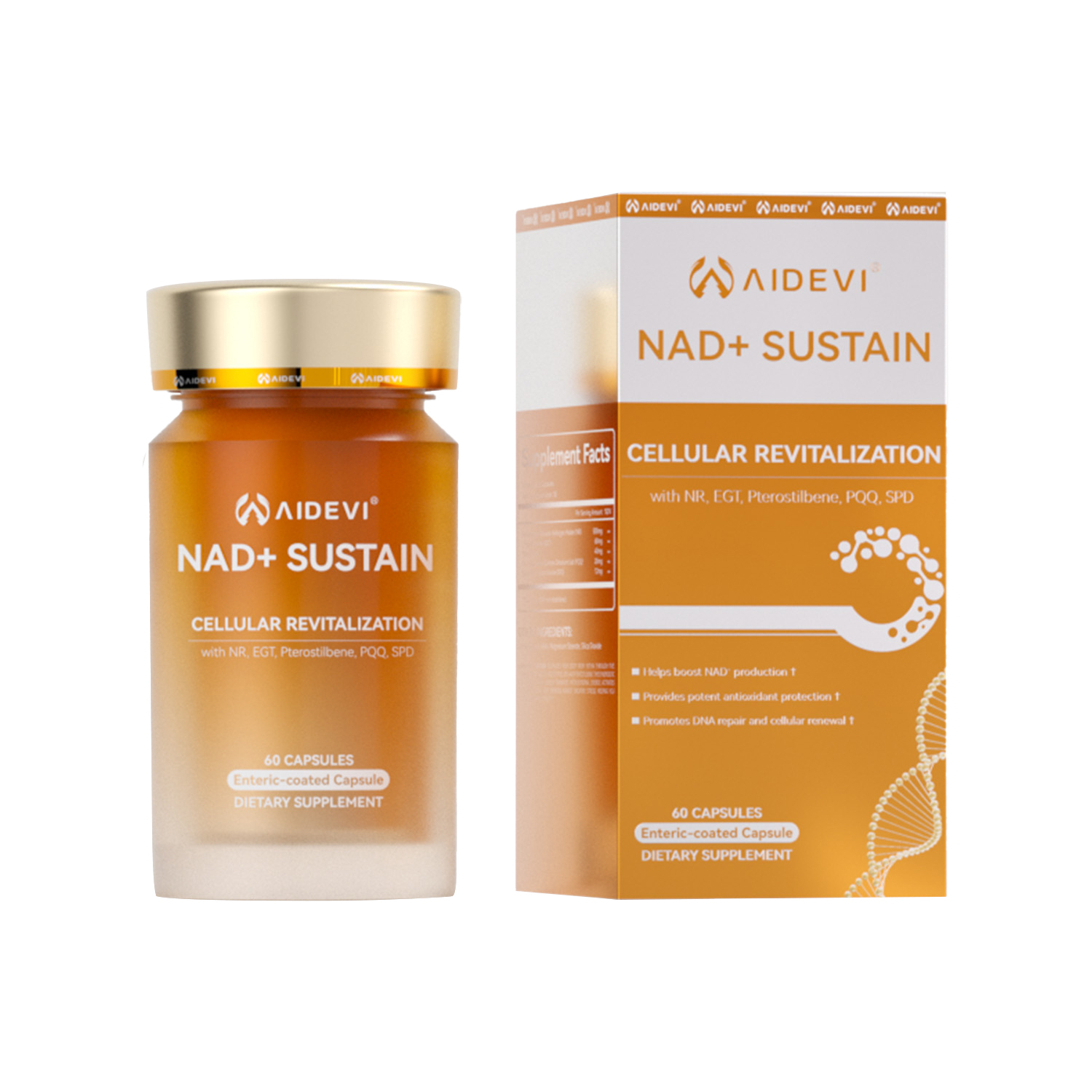
When looking to restore cellular energy, you will encounter several types of supplements. The most common are NAD+ precursors like NMN (Nicotinamide Mononucleotide) and NR (Nicotinamide Riboside). These are essentially the raw materials your body uses to build NAD+. When you take an NMN supplement, your body must first absorb it and then use specific enzymes to convert it into NAD+. While NMN is highly effective and backed by substantial research, some individuals may benefit from a more direct approach.
Direct NAD+ supplementation skips the conversion process entirely. By providing the intact Nicotinamide Adenine Dinucleotide molecule, you are delivering the finished currency directly to your cells. Recent advancements in formulation — including enteric coating and synergistic co-factors — have made it increasingly effective to deliver intact NAD+ orally.
| Feature | Direct NAD+ | NMN | NR |
|---|---|---|---|
| Conversion Required | None | 1 Step | 2 Steps |
| Speed of Action | Fastest | Fast | Moderate |
| Human Research | Growing | Extensive | Extensive |
| Best For | Cognitive & immediate energy | Systemic anti-aging | General wellness |
If you are unsure which path is right for you, our comprehensive comparison on NAD+ vs NMN: Which is Better for You can help you make an informed decision based on your specific health goals.
AIDEVI NAD+ 15000: Your Cellular Energy Solution
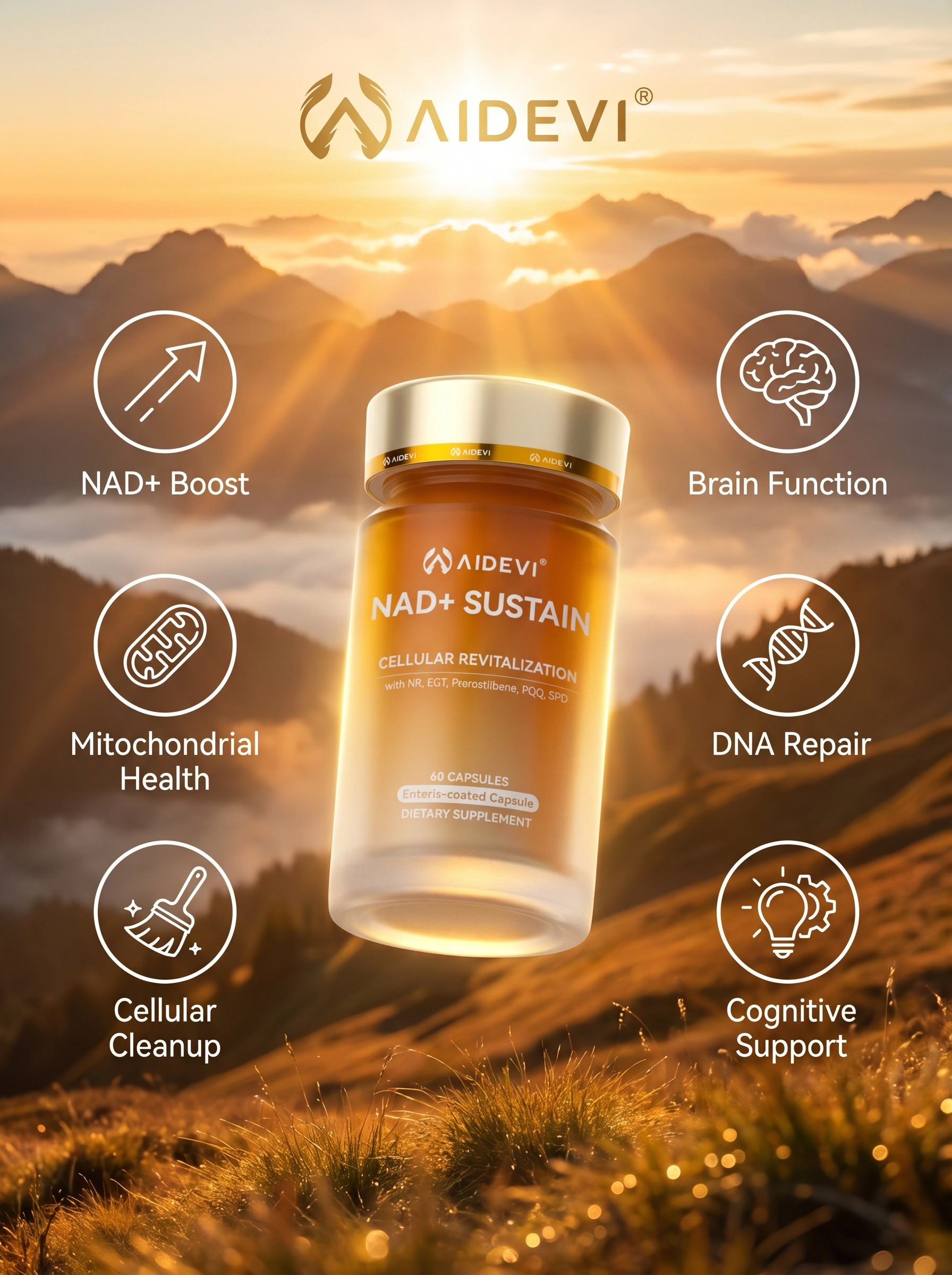
For those seeking the most advanced, direct approach to cellular revitalization, the AIDEVI NAD+ 15000 Supplement represents the pinnacle of anti-aging science. Unlike standard single-ingredient products, AIDEVI has engineered a comprehensive, multi-pathway formula designed specifically for cognitive clarity and sustained brain energy.

AIDEVI NAD+ 15000 — Formula Highlights
250 mg Direct NAD+
Intact NAD+ molecule — no conversion required for immediate cellular use.
Synergistic Precursors
Nicotinamide (100 mg) + Nicotinic Acid (40 mg) for sustained NAD+ production.
TMG (60 mg) — Methylation Support
Protects your methyl pool and supports liver function during high-dose NAD+ metabolism.
Trans-Resveratrol (50 mg)
Activates SIRT1 "longevity genes" to amplify the anti-aging effects of NAD+.
* These statements have not been evaluated by the FDA. This product is not intended to diagnose, treat, cure, or prevent any disease. Consult your healthcare provider before use.
Conclusion
NAD+ is not just another wellness buzzword; it is the fundamental currency of cellular energy and the biological foundation of healthy aging. As we grow older, the inevitable decline of NAD+ leads to the fatigue, brain fog, and slower recovery we often accept as "normal." But it doesn't have to be that way.
By combining a healthy lifestyle — regular exercise, quality sleep, and a nutrient-rich diet — with scientifically backed, high-quality supplementation like AIDEVI NAD+ 15000, you can actively replenish your cellular currency. The science is clear: maintaining optimal NAD+ levels is one of the most direct, evidence-based strategies for supporting long-term energy, cognitive health, and cellular resilience.
Investing in your NAD+ levels today is the most direct way to ensure your cellular factories remain powered up, keeping you vibrant, focused, and resilient for the years to come.
Frequently Asked Questions (FAQs)
References
- Covarrubias, A. J., Perrone, R., Grozio, A., & Verdin, E. (2021). NAD+ metabolism and its roles in cellular processes during ageing. Nature Reviews Molecular Cell Biology, 22(2), 119–141. nature.com
- McReynolds, M. R., Chellappa, K., & Baur, J. A. (2020). Age-related NAD+ decline. Experimental Gerontology, 134, 110888. pmc.ncbi.nlm.nih.gov
- Camacho-Pereira, J., et al. (2016). CD38 dictates age-related NAD decline and mitochondrial dysfunction through an SIRT3-dependent mechanism. Cell Metabolism, 23(6), 1127–1139. pmc.ncbi.nlm.nih.gov
- Endocrine Society. (2020). Nutrition, NAD and exercise: vitamin B3 supplements to stay fit and healthy. endocrinology.org
- Conlon, N. J. (2021). The Role of NAD+ in Regenerative Medicine. PMC / Aging. pmc.ncbi.nlm.nih.gov
- Alegre, G. F. S., et al. (2023). NAD+ Precursors NMN and NR — Mechanisms and Clinical Evidence. PMC. pmc.ncbi.nlm.nih.gov
