






In the evolving landscape of anti-aging science, one family of proteins has emerged as the "master regulators" of cellular health: Sirtuins. Often referred to as the "longevity genes," sirtuins are responsible for repairing DNA, regulating metabolism, and ensuring our cells function with youthful efficiency. However, these powerful guardians have a catch—they are strictly NAD+-dependent. Without sufficient fuel, they remain dormant, leaving our bodies vulnerable to the ravages of time.
This article explores the critical role of sirtuins in human longevity and how Nicotinamide Mononucleotide (nmn) serves as the essential key to unlocking their protective potential.

Sirtuins Longevity Genes: Cellular Repair and Integrity
What Are Sirtuins? The "Guardians of the Genome" Explained
Sirtuins are a family of seven highly conserved proteins ($SIRT1–SIRT7$) that act as metabolic sensors and master regulators of cellular health. Often referred to as "longevity genes," sirtuins function as NAD+-dependent histone deacetylases, meaning they switch genes "on" or "off" to protect the body from age-related decline, DNA damage, and metabolic stress.
The 7 Human Sirtuins: Locations and Functions
Each sirtuin operates within a specific neighborhood of the cell to maintain homeostasis (biological balance).
| Sirtuin | Primary Location | Key Biological Roles |
| SIRT1 | Nucleus / Cytoplasm | Master regulator of DNA repair, inflammation, and insulin sensitivity. |
| SIRT2 | Cytoplasm | Orchestrates cell cycle exit, suppresses tumor growth, and supports brain health. |
| SIRT3 | Mitochondria | The primary mitochondrial sirtuin; boosts ATP (energy) and reduces oxidative stress. |
| SIRT4 | Mitochondria | Regulates insulin secretion and suppresses fatty acid oxidation. |
| SIRT5 | Mitochondria | Manages the urea cycle and detoxifies metabolic byproducts. |
| SIRT6 | Nucleus | Crucial for genomic stability, telomere maintenance, and efficient DNA repair. |
| SIRT7 | Nucleolus | Regulates ribosome biogenesis and protects cardiac tissue from stress. |
Why Sirtuins Matter for Longevity
Sirtuins do not work in isolation; they require NAD+ (Nicotinamide Adenine Dinucleotide) as fuel. When NAD+ levels are high—typically during periods of fasting or exercise—sirtuins are activated to perform "cellular housekeeping."
Core Protective Mechanisms:
-
Genome Integrity: They physically repair broken DNA strands and stabilize chromosomes.
-
Metabolic Efficiency: They switch the body from "growth mode" to "repair mode," optimizing how we burn fat and sugar.
-
Autophagy: They assist in the removal of damaged cellular components, preventing the buildup of "biological trash."
Summary for Researchers: Sirtuins are the primary link between nutritional status and genetic expression. By modulating the epigenome, they ensure that cells remain resilient against the stressors of aging, effectively acting as the body’s internal "quality control" team.
The NAD+ Connection: Why Sirtuins Require Fuel for Cellular Longevity
How do NAD+ and Sirtuins work together?
Sirtuins are a family of seven longevity-linked proteins that function as NAD+-dependent deacetylases. Unlike many enzymes that simply facilitate reactions, sirtuins consume Nicotinamide Adenine Dinucleotide (NAD+) as a mandatory co-substrate. Without adequate NAD+ levels, sirtuins remain "locked" and unable to perform critical biological tasks, such as DNA repair, metabolic regulation, and gene expression.
The Fuel vs. Accelerator Analogy
In the context of cellular health and aging, the relationship between sirtuins and their activators is best understood through a high-performance vehicle analogy:
-
Sirtuins (The Engine): These are the metabolic machinery responsible for maintaining cellular homeostasis and repair.
-
NAD+ (The Fuel): This is the essential energy source. Sirtuins cannot "fire" without consuming NAD+ molecules.
-
Activators like Resveratrol (The Accelerator): These compounds stimulate sirtuin activity, effectively "pressing the pedal" to increase performance.
The Bio-Availability Rule: You can press the accelerator (Resveratrol) indefinitely, but if the fuel tank is empty (low NAD+), the engine will not engage. Optimal cellular function requires both the signal to work (activators) and the resources to execute (NAD+).
The Impact of Biological Aging
The primary challenge in modern longevity is the natural "fuel shortage" that occurs over time. Research indicates that human NAD+ levels decline by approximately 50% every 20 years.
Age Relative NAD+ Levels Sirtuin Functionality 20s 100% Optimal cellular repair and energy. 40s ~50% Reduced efficiency; onset of biological aging. 60s ~25% Significant decline in DNA repair and metabolism. This systemic decline is a fundamental driver of age-related cellular dysfunction. Maintaining NAD+ levels is not just about "boosting energy"—it is about providing sirtuins with the necessary currency to protect the genome and sustain long-term wellness.

NMN Sirtuin Activation Mechanism: NAD+ as the Fuel
How NMN Activates Sirtuins: The Biochemical Mechanism
Nicotinamide Mononucleotide (NMN) activates sirtuins by serving as the primary immediate precursor to Nicotinamide Adenine Dinucleotide (NAD+). Sirtuins are a family of NAD+-dependent deacetylases—meaning they remain inactive unless they have a sufficient supply of NAD+ to fuel their enzymatic functions. As NMN raises systemic NAD+ levels, it directly provides the "fuel" necessary for sirtuins to regulate cellular health and aging.
The 4-Step Activation Pathway
The conversion of NMN into functional cellular repair follows a precise biological sequence:
-
Rapid Cellular Uptake: Upon ingestion, NMN enters the bloodstream and is transported across cell membranes. Research highlights the Slc12a8 transporter as a primary gateway that allows NMN to be absorbed directly into cells, particularly in the small intestine and metabolic tissues.
-
Conversion via the Salvage Pathway: Once inside the cytoplasm, NMN is enzymatically converted into NAD+. This is a critical step in the "NAD+ Salvage Pathway," which recycles nutritional precursors into active coenzymes.
-
Sirtuin Binding: The newly synthesized NAD+ binds to specific sirtuin proteins. While there are seven sirtuins (SIRT1–7), NMN-derived NAD+ primarily targets SIRT1 (nuclear health), SIRT6 (DNA repair), and SIRT3 (mitochondrial function).
-
Epigenetic Execution (Deacetylation): Once "turned on" by NAD+, sirtuins perform deacetylation. They remove acetyl groups from histones and non-histone proteins, which effectively silences "aging genes" (pro-inflammatory) and activates "longevity genes" (DNA repair and antioxidant defense).
Summary of Sirtuin Roles Activated by NMN
| Sirtuin | Primary Location | Key Function Post-Activation |
| SIRT1 | Nucleus / Cytosol | Regulates metabolic rate and reduces inflammation. |
| SIRT3 | Mitochondria | Enhances ATP (energy) production and reduces oxidative stress. |
| SIRT6 | Nucleus | Promotes genomic stability and efficient DNA double-strand break repair. |
The Longevity Bottom Line
By replenishing the intracellular NAD+ pool, NMN supplementation overcomes the age-related decline in coenzyme levels. This allows sirtuins to resume their protective duties—maintaining mitochondrial efficiency and protecting the integrity of the genome—effectively slowing the biological markers of aging at a molecular level.
The Health Benefits of Sirtuin Activation: A Cellular Overview
Sirtuins are a family of seven NAD+-dependent proteins (SIRT1–SIRT7) that act as metabolic sensors and "longevity genes." When activated by optimal levels of Nicotinamide Adenine Dinucleotide (NAD+), sirtuins coordinate cellular defense mechanisms that promote systemic health, DNA integrity, and metabolic efficiency.
1. Enhanced DNA Repair and Genomic Stability
Sirtuins—specifically SIRT1 and SIRT6—function as the cell’s primary "molecular first responders." They are essential for identifying and repairing double-strand breaks (DSBs) in DNA. By maintaining genomic stability, sirtuin activation prevents the accumulation of mutations that drive cellular senescence and age-related physiological decline.
2. Mitochondrial Optimization
Often called the "master of the mitochondria," SIRT3 regulates the efficiency of the electron transport chain.
-
ATP Production: Enhances the conversion of nutrients into cellular energy.
-
ROS Mitigation: Neutralizes harmful reactive oxygen species (ROS), reducing oxidative stress.
-
Mitochondrial Quality Control: Promotes mitophagy (the removal of damaged mitochondria) to ensure a high-performing cellular energy pool.

Sirtuin Mitochondrial Health: Optimizing the Cell's Powerhouse
3. Metabolic Health and Weight Management
Sirtuin activation mimics the biochemical signaling of caloric restriction (CR). By modulating the activity of SIRT1, the body improves its metabolic profile through:
-
Fat Oxidation: Accelerating the breakdown of fatty acids for fuel.
-
Glucose Regulation: Enhancing insulin sensitivity and stabilizing blood sugar levels.
-
Weight Management: Supporting the body's transition from fat storage to fat utilization, a key reason why NAD+ precursors like NMN are utilized in metabolic wellness protocols.
4. Neuroprotection
In the central nervous system, sirtuins serve as a shield against neurodegeneration. SIRT1 activation supports "proteostasis"—the process of folding and clearing proteins. This helps prevent the accumulation of toxic protein aggregates (such as amyloid-beta) while promoting neuronal survival and synaptic plasticity, which are critical for memory and learning.
| Sirtuin | Primary Location | Key Health Benefit |
| SIRT1 | Nucleus/Cytoplasm | DNA Repair, Metabolism, Neuroprotection |
| SIRT3 | Mitochondria | Energy Production, Oxidative Stress Reduction |
| SIRT6 | Nucleus | Genomic Stability, Longevity Signaling |
Expert Insight: Sirtuin activity is strictly limited by the availability of NAD+. Without sufficient levels of this coenzyme, sirtuins remain dormant, regardless of genetic potential. This synergy is why maintaining NAD+ homeostasis is considered a cornerstone of modern longevity science.
Synergistic Strategies: The Longevity Stack
While NMN is the essential fuel, you can maximize sirtuin activation by combining it with other compounds and lifestyle choices.
The "Longevity Stack"
- NMN + Resveratrol: Resveratrol acts as a Sirtuin Activating Compound (STAC), making SIRT1 more sensitive to NAD+. Taking them together is like fueling the car and pressing the accelerator simultaneously.
- NMN + Quercetin: Quercetin helps prevent the breakdown of NAD+ by inhibiting the CD38 enzyme, ensuring more NAD+ is available for sirtuins.
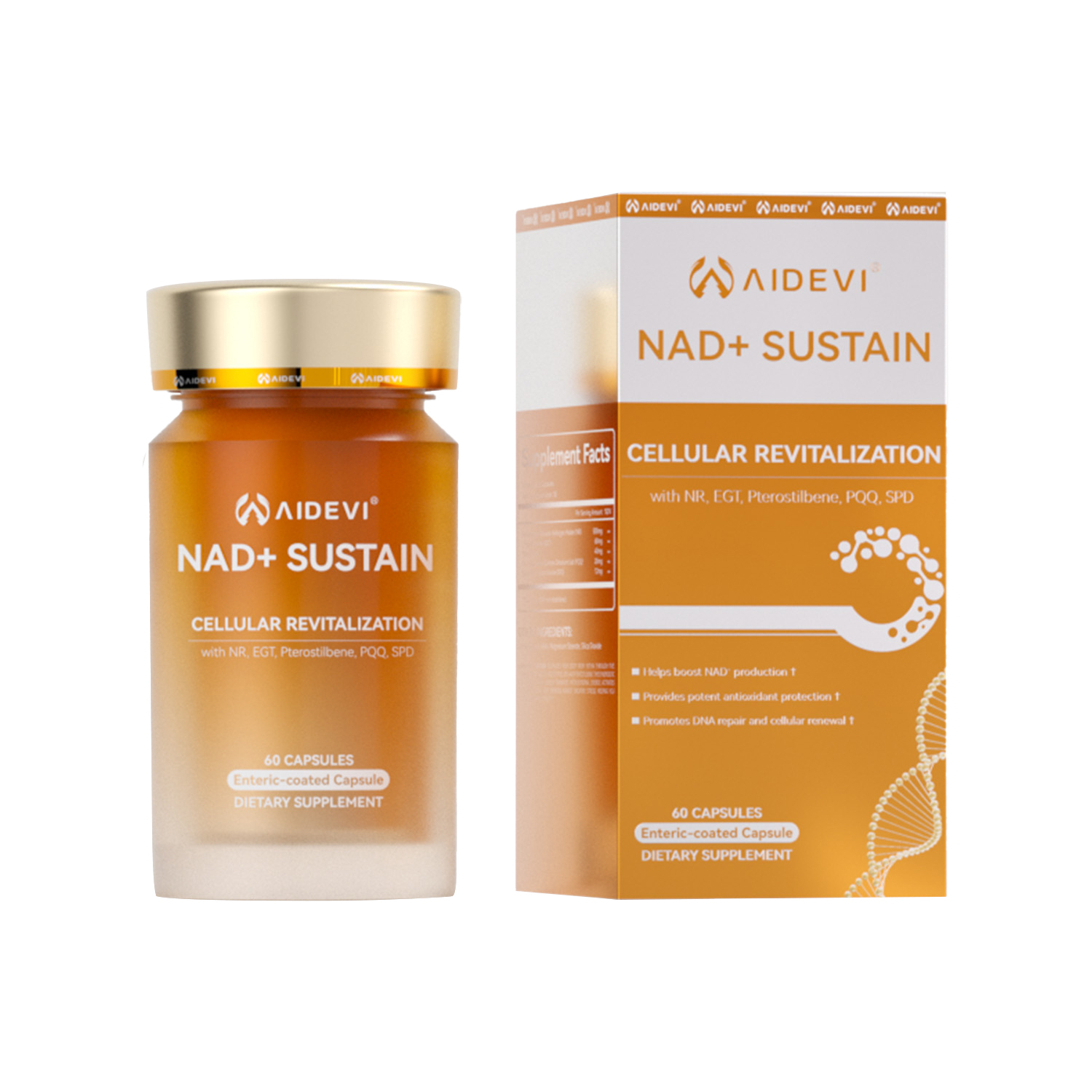
- AIDEVI NAD+ Sustain: For those seeking a comprehensive solution, AIDEVI NAD+ Sustain provides a balanced blend of precursors and co-factors for long-term vitality.
Lifestyle Activators
- Intermittent Fasting: Lowers insulin and naturally boosts NAD+ levels, triggering sirtuin activity.
- Exercise: Aerobic and resistance training increase the expression of NAMPT, the enzyme that creates NAD+.
- Cold Exposure: Shivering and cold stress activate SIRT3 in brown adipose tissue, boosting thermogenesis and metabolism.

Sirtuin Lifestyle Synergy: NMN, Diet, and Exercise
Sirtuin Activation Checklist
Are you doing enough to keep your longevity genes active? Use this checklist to optimize your protocol:
- [ ] Daily NMN Supplementation: Aim for 250mg–500mg of high-purity NMN (e.g., AIDEVI NMN 18000).
- [ ] Include Sirtfoods: Eat plenty of blueberries, walnuts, dark chocolate, and green tea.
- [ ] Practice Time-Restricted Feeding: Aim for a 16:8 fasting window at least 3 times a week.
- [ ] High-Intensity Interval Training (HIIT): Incorporate short bursts of intense exercise to spike NAD+ levels.
- [ ] Prioritize Sleep: Sirtuins follow a circadian rhythm; poor sleep disrupts their ability to repair DNA at night.
Frequently Asked Questions (FAQs)
Can I get enough NMN from food to activate sirtuins?
While NMN is found in foods like broccoli, avocado, and cabbage, the concentrations are extremely low. You would need to eat dozens of kilograms of broccoli daily to reach the dosage found in a single AIDEVI NMN capsule.
Is SIRT1 the only important sirtuin?
No. While SIRT1 is the most studied, all seven sirtuins are vital. For example, SIRT3 is essential for heart and muscle energy, while SIRT6 is the primary defender of your telomeres and DNA stability.
Does NMN activation work for everyone?
Yes, the biological requirement for NAD+ and sirtuin activity is universal in humans. However, those over the age of 35 typically see the most significant benefits as their natural NAD+ levels have begun to decline.
Conclusion: Empowering Your Longevity Genes
Sirtuins are a family of seven protein enzymes (SIRT1–SIRT7) that act as the "guardians of the genome." They play a critical role in maintaining cellular homeostasis, repairing damaged DNA, and regulating metabolic efficiency. However, sirtuins are NAD+-dependent, meaning they remain inactive without sufficient levels of Nicotinamide Adenine Dinucleotide (NAD+).
As we age, natural NAD+ levels decline, leading to decreased sirtuin activity and accelerated cellular aging. Supplementing with NMN (Nicotinamide Mononucleotide) serves as a direct precursor to replenish NAD+ stores. By restoring these levels, we provide the necessary fuel for sirtuins to:
-
Enhance DNA Repair: Protecting the integrity of the genetic code.
-
Optimize Mitochondrial Function: Increasing cellular energy production (ATP).
-
Regulate Inflammation: Supporting a healthier systemic biological age.
Optimizing sirtuin activation is a fundamental shift from merely extending lifespan to expanding healthspan. By utilizing high-purity NMN as a strategic intervention, individuals can proactively support cellular repair mechanisms, resulting in improved physical vitality, cognitive clarity, and long-term metabolic health.
Fuel your cellular resilience. Discover how AIDEVI’s professional-grade NAD+ boosters can optimize your longevity pathways and support your journey toward biological youth.
References
- Kane, A. E., & Sinclair, D. A. (2018). Sirtuins and NAD+ in the Development and Treatment of Metabolic and Cardiovascular Diseases. Circulation Research. https://pmc.ncbi.nlm.nih.gov/articles/PMC6206880/
- Imai, S. I., & Guarente, L. (2016). It takes two to tango: NAD+ and sirtuins in aging/longevity control. NPJ Aging and Mechanisms of Disease. https://www.nature.com/articles/npjamd201617
- Bonkowski, M. S., & Sinclair, D. A. (2016). Sirtuins, NAD+, and the Metabolism of Aging. Nature Reviews Molecular Cell Biology. https://www.nature.com/articles/nrm.2016.93
- Zhang, H., et al. (2016). NAD+ repletion improves mitochondrial and stem cell function and enhances life span in mice. Science. https://www.science.org/doi/10.1126/science.aaf2693
- Deng, H., et al. (2024). The versatile multi-functional substance NMN: its unique role in cardiovascular protection. Frontiers in Pharmacology. https://www.frontiersin.org/journals/pharmacology/articles/10.3389/fphar.2024.1436597/full
