





A New Perspective from AI-Driven Laboratory Research
If you follow the field of anti-aging, you are undoubtedly familiar with nmn. As a direct precursor of NAD+, NMN has moved from laboratory research into mainstream awareness over the past few years, becoming part of many people’s daily anti-aging regimen.
However, in our laboratory, after repeatedly simulating the complete NAD+ metabolic cycle using AI-based macromolecular dynamics models, a clearer conclusion gradually emerged:
Supplementing NMN is correct—but supplementing NMN alone may be far from sufficient.
Two Often Overlooked Issues
1. NAM Accumulation and Methyl Donor Depletion
NAD+ metabolism in the body operates as a closed loop:
A key rate-limiting enzyme in this cycle is NAMPT (nicotinamide phosphoribosyltransferase).
The problem is that NAMPT activity declines significantly with age. Covarrubias et al. (Nature Reviews Molecular Cell Biology) clearly pointed out that in older individuals, NAMPT function is impaired and can no longer efficiently recycle NAM back into NMN as it does in youth. As a result, with long-term NMN supplementation, NAM gradually accumulates in the body.
The primary pathway for clearing excess NAM is methylation. Under the catalysis of NNMT, NAM combines with the methyl donor S-adenosylmethionine (SAM) to form MeNAM, which is then excreted. However, this process continuously consumes methyl donors.
Huang and Song (Biomolecules, 2020) highlighted that high doses of nicotinamide may lead to methyl donor depletion, disrupt neurotransmitter metabolism, and even induce neurotoxicity.
Put more simply:
NMN is converted into NAD+ in the body. After NAD+ is consumed in physiological processes, it generates NAM. As NAMPT activity declines with age, NAM cannot be efficiently recycled and begins to accumulate. To eliminate excess NAM, the body relies on methylation, which continuously depletes valuable methyl reserves. Over time, this may lead to abnormal DNA methylation patterns, accelerated epigenetic aging, and disturbances in neurotransmitter metabolism.
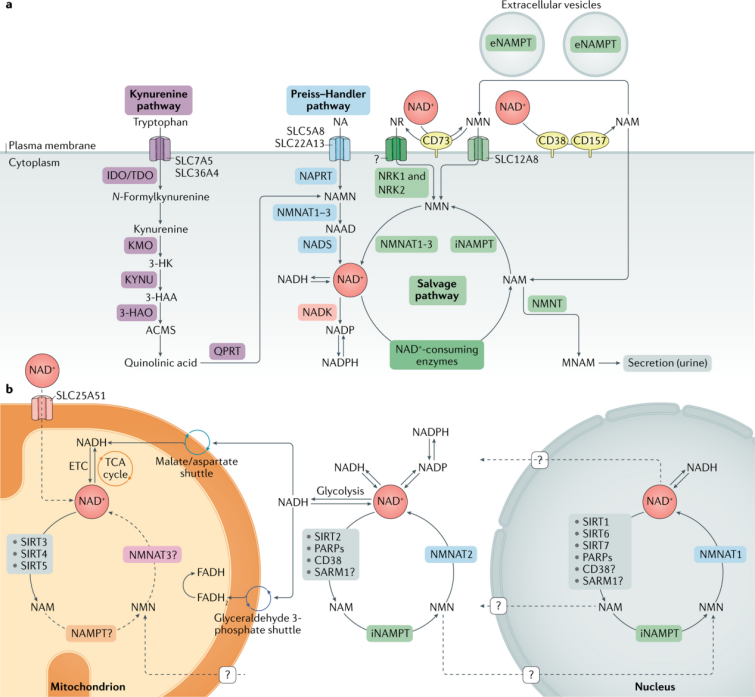
source:NAD+ metabolism and its roles in cellular processes during ageing.
2. CD38/CD157 “Intercepting” NMN
Another issue arises from CD38, an enzyme whose expression increases with age and is widely present on the surface of immune cells.
Higher CD38 expression is directly associated with a decline in intracellular NAD+ levels.
Studies show that CD38 knockout mice have approximately twice the NAD+ levels of normal mice and exhibit strong resistance to age-related NAD+ decline, with significantly elevated NAD+ levels across major organs (liver, muscle, brain, and heart). Conversely, CD38 overexpression leads to NAD+ depletion and mitochondrial dysfunction.
More importantly, CD38 not only consumes NAD+ to produce cADPR, but also degrades NMN before it even enters cells. In other words, the NMN you ingest may be intercepted before reaching its site of action.
CD157, a homolog of CD38 located on human chromosome 4, shares structural similarity and is primarily expressed in intestinal and lymphoid tissues. Although less active than CD38, it performs similar enzymatic functions in specific tissues.
The Dilemma of Single-Ingredient NMN
Single-ingredient NMN supplementation faces a dual challenge:
- Aging reduces NAMPT activity → NAM accumulation and methyl depletion
- CD38/CD157 both consume NAD+ and intercept NMN
This helps explain why many individuals report limited effects from NMN, or even discomfort with long-term use.
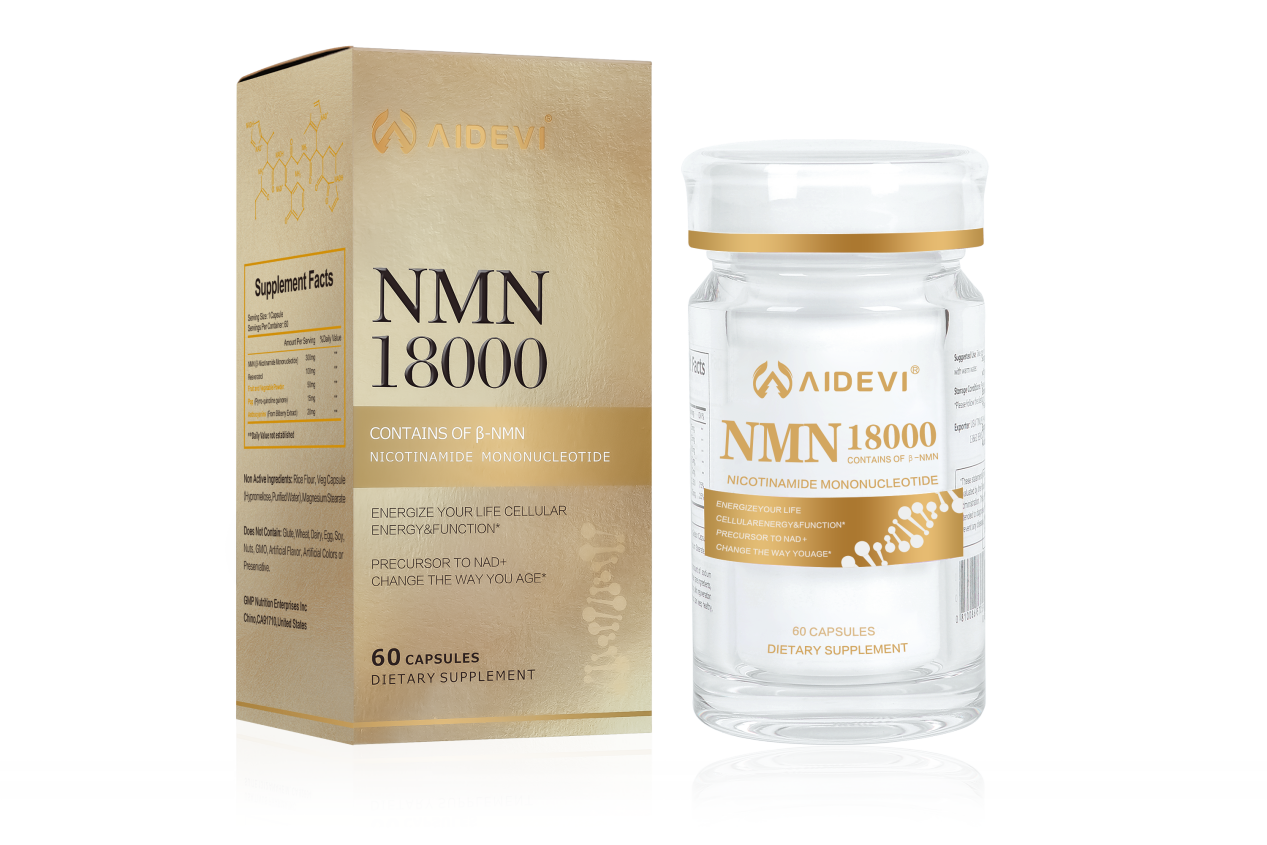
NMN18000: A Formula Based on the ciNMN® Strategy
source:AIDEVI.com
Is there a product on the market designed according to this logic?
Our evaluation of NMN18000 shows that its five core ingredients—Uthever® NMN, resveratrol, anthocyanins, PQQ, and fruit & vegetable powder—form a synergistic system aligned with the ciNMN® framework.
Functional Mapping:
| ciNMN® Objective | Key Components | Mechanism |
|---|---|---|
| Increase NAD+ | Uthever® NMN | Direct supplementation (≥99.9% purity, clinically validated) |
| Inhibit CD38/CD157 | Anthocyanins, Resveratrol, PQQ | Reduce oxidative stress, indirectly suppress enzyme activity |
| Activate NAMPT | PQQ, Resveratrol | Protect and upregulate NAMPT |
| Reduce methyl depletion | Fruit & vegetable powder | Provide methyl donors (betaine, folate, choline) |
| Mitochondrial biogenesis | PQQ | Activates PGC-1α |
| Comprehensive antioxidant defense | Anthocyanins, Resveratrol, plant nutrients | Multi-target synergy |
Mechanistic Breakdown of Each Component
1 Uthever®NMN
The quality of NMN is fundamental. NMN18000 uses Uthever®, the first NMN ingredient validated in human clinical trials.
Clinical data (randomized, double-blind, placebo-controlled study, n=66, ages 40–65):
- After 30 days (300 mg/day): NAD+/NADH increased by 11.3%
- After 60 days: increased by 38% (vs. 14.3% in placebo)
- No serious adverse events reported
Purity ≥99.9%, SGS-certified, with a Chinese invention patent.
Role: NAD+ precursor (“fuel supply”).
2 Resveratrol
Resveratrol is a well-known anti-aging compound derived from grapes and Polygonum cuspidatum. It activates the longevity-associated protein SIRT1, which depends on NAD+.
Thus, NMN and resveratrol exhibit natural synergy: NMN supplies NAD+, while resveratrol enhances its utilization in longevity pathways.
Additionally, within the ciNMN® framework, resveratrol activates NAMPT via the AMPK pathway and upregulates its expression, improving NAD+ recycling and promoting NAM conversion.
Its antioxidant and anti-inflammatory properties also help reduce oxidative stress, a key factor in CD38 upregulation.
3 Anthocyanins
Anthocyanins are flavonoids found in deeply colored fruits such as blueberries, purple sweet potatoes, and black goji berries, known for strong antioxidant capacity.
They can accumulate in mitochondrial membranes and directly scavenge superoxide generated by the respiratory chain.
Within the ciNMN® framework:
- Reduce oxidative stress, thereby suppressing CD38 overexpression
- Help maintain normal DNA methylation enzyme (DNMTs) activity
Additionally, anthocyanins cross the blood–brain barrier and provide neuroprotective effects, complementing NMN.
4 PQQ (Pyrroloquinoline Quinone)
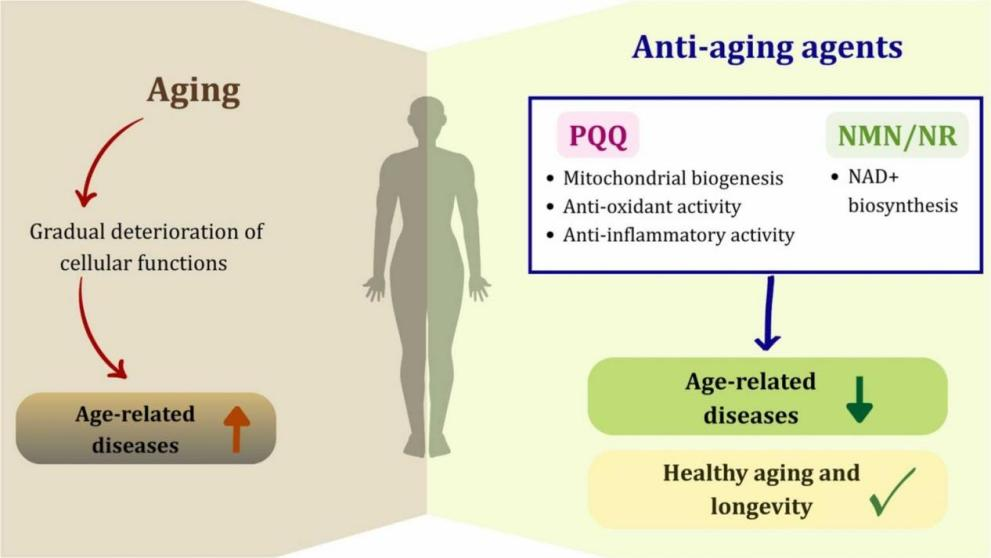
PQQ (Pyrroloquinoline Quinone) is known as a “mitochondrial biogenesis activator,” promoting new mitochondria via the PGC-1α pathway.
Within the ciNMN® framework, its primary role is indirect protection of NAMPT, which is highly sensitive to oxidative stress.
By improving mitochondrial function and reducing ROS, PQQ creates a favorable environment for NAMPT activity.
NMN supplies fuel to mitochondria, while PQQ increases their number—creating strong synergy.
A 2026 review in Ageing Research Reviews suggests that combining PQQ with NMN/NR may better support healthy aging.
source:Comparison of anti-aging effect of PQQ and NMN/NR-possible combination use
5 Fruit and Vegetable Powder
Fruit and vegetable powder plays a supporting but essential role by providing methyl donors and antioxidants.
Even with efficient NAM recycling via NAMPT, long-term NMN supplementation may consume methyl groups.
Natural compounds such as betaine, folate, choline, and vitamin B12 support the methylation cycle with high bioavailability.
Additionally, antioxidants (vitamin C, vitamin E, β-carotene, polyphenols) work together with anthocyanins and resveratrol to form a comprehensive antioxidant network..
Final Thoughts
NMN itself is a highly promising anti-aging molecule, and scientific research on it continues to evolve. However, our findings also suggest that anti-aging cannot rely on a single compound alone.
Factors such as methylation balance, CD38 interference, and NAMPT efficiency are all real physiological mechanisms that can influence how NMN actually performs in the body.
ciNMN® is an approach proposed by our laboratory. By inhibiting CD38/CD157 and activating NAMPT, it aims to make NMN supplementation both more efficient and safer.
The formulation of NMN18000 is, in our assessment, one of the relatively few products that seriously attempts to implement this approach in practice.
If you are already supplementing NMN, or are considering starting, it may be worth paying attention to the formulation:
Is it a single ingredient, or does it include “teammates” such as resveratrol, anthocyanins, PQQ, and fruit and vegetable–derived nutrients working in synergy?
This difference may be more significant than it appears.
Reference
[1] Boslett, J., Hemann, C., Zhao, Y. J., Lee, H. C., & Zweier, J. L. (2017). Luteolinidin protects the postischemic heart through CD38 inhibition with preservation of NAD(P)(H). Journal of Pharmacology and Experimental Therapeutics, 361(1), 99–108.
[2] Covarrubias, A. J., Perrone, R., Grozio, A., & Verdin, E. (2021). NAD+ metabolism and its roles in cellular processes during ageing. Nature Reviews Molecular Cell Biology, 22(2), 119–141.
[3] Escande, C., Nin, V., Price, N. L., Capellini, V., Gomes, A. P., Barbosa, M. T., O'Neil, L., White, T. A., Sinclair, D. A., & Chini, E. N. (2013). Flavonoid apigenin is an inhibitor of the NAD+ase CD38: Implications for cellular NAD+ metabolism, protein acetylation, and treatment of metabolic syndrome. Diabetes, 62(4), 1084–1093.
[4] Ishak, N. I. M., Mohamad, S. B., Shamsuddin, S., & Ahmad, H. (2026). Comparison of anti-aging effect of PQQ (Pyrroloquinoline quinone) and NMN/NR (Nicotinamide mononucleotide / Nicotinamide riboside) – possible combination use. Ageing Research Reviews, 114, 102992.
[5] Manickam, R., Tipparaju, S. M., & Bisht, K. (2025). Nampt: A new therapeutic target for modulating NAD+ levels in metabolic, cardiovascular, and neurodegenerative diseases. Canadian Journal of Physiology and Pharmacology, 103(7), 208–224.
[6] Mehmel, M., Jovanović, N., & Spitz, U. (2020). Nicotinamide riboside—The current state of research and therapeutic uses. Nutrients, 12(6), 1616.
[7] Rajman, L., Chwalek, K., & Sinclair, D. A. (2018). Therapeutic potential of NAD-boosting molecules: The in vivo evidence. Cell Metabolism, 27(3), 529–547.
[8] Yoshino, M., Yoshino, J., Kayser, B. D., Patti, G. E., & Franczyk, M. P. (2021). Nicotinamide mononucleotide increases muscle insulin sensitivity in prediabetic women. Science, 372(6547), 1224–1229.
[9] Zhang, W., Xie, Y., Wang, T., & Bi, J. (2022). Nicotinamide phosphoribosyltransferase in NAD+ metabolism: Physiological and pathophysiological implications. Cell Death Discovery, 8(1), 1–12.
[10] Zhou, X., Du, H. H., Ni, L., Ran, J. H., & Hu, J. F. (2022). Improvement of tissue‑specific distribution and biotransformation potential of nicotinamide mononucleotide in combination with ginsenosides or resveratrol. Pharmacology Research & Perspectives, 10(4), e00986.
[11] Hwang, E. S., & Song, S. B. (2020). Possible Adverse Effects of High-Dose Nicotinamide: Mechanisms and Safety Assessment. Biomolecules, 10(5), 687.
