


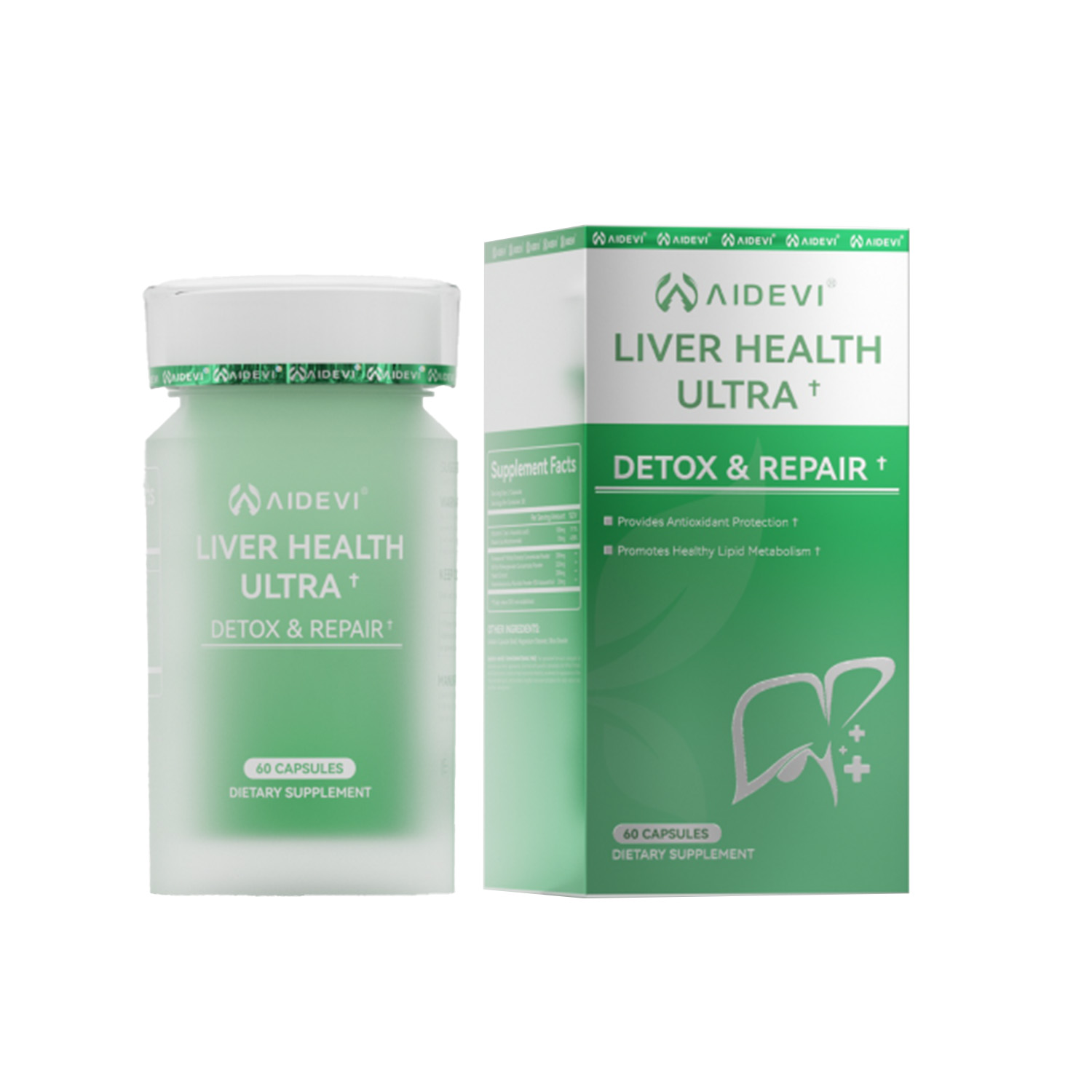

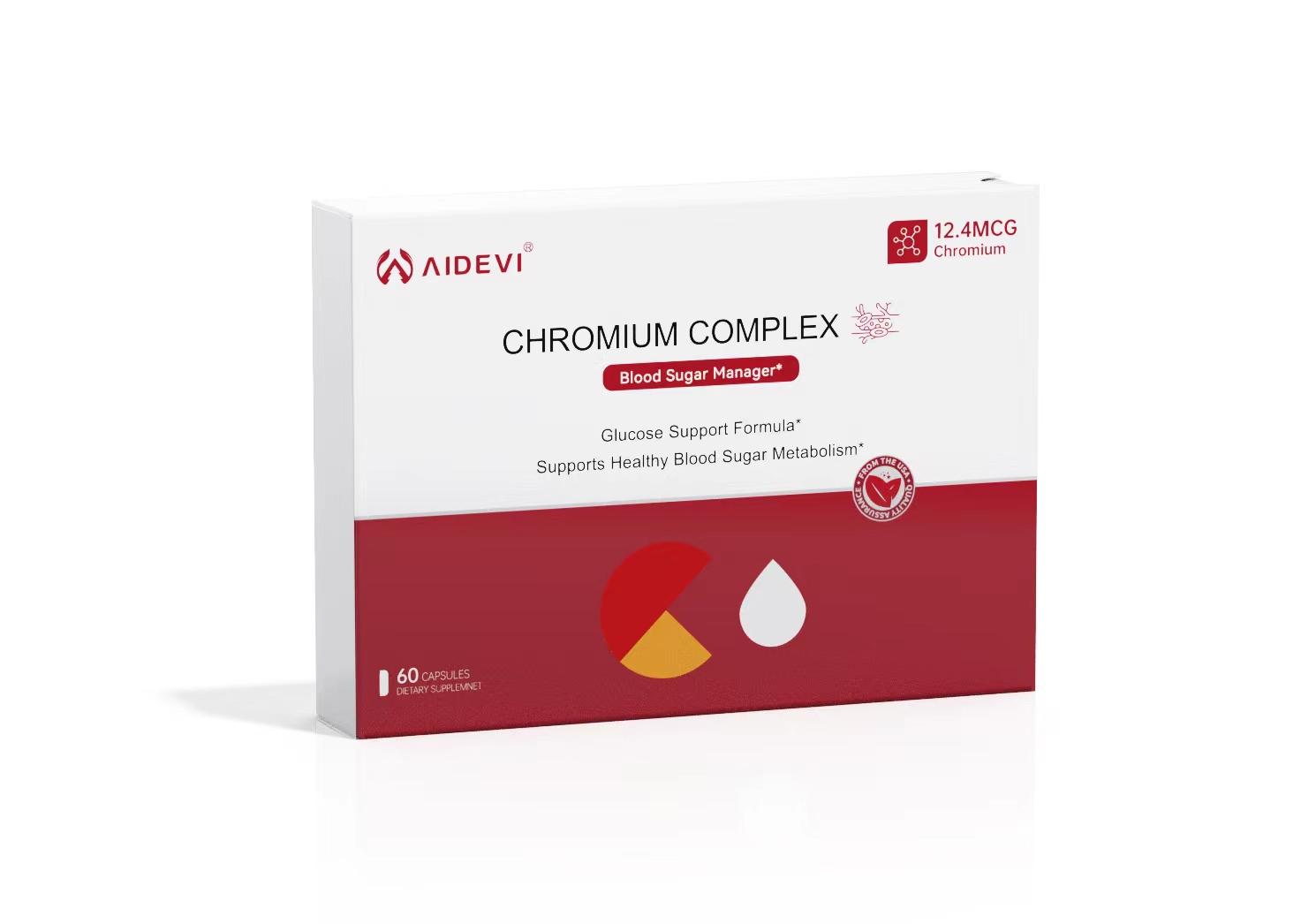
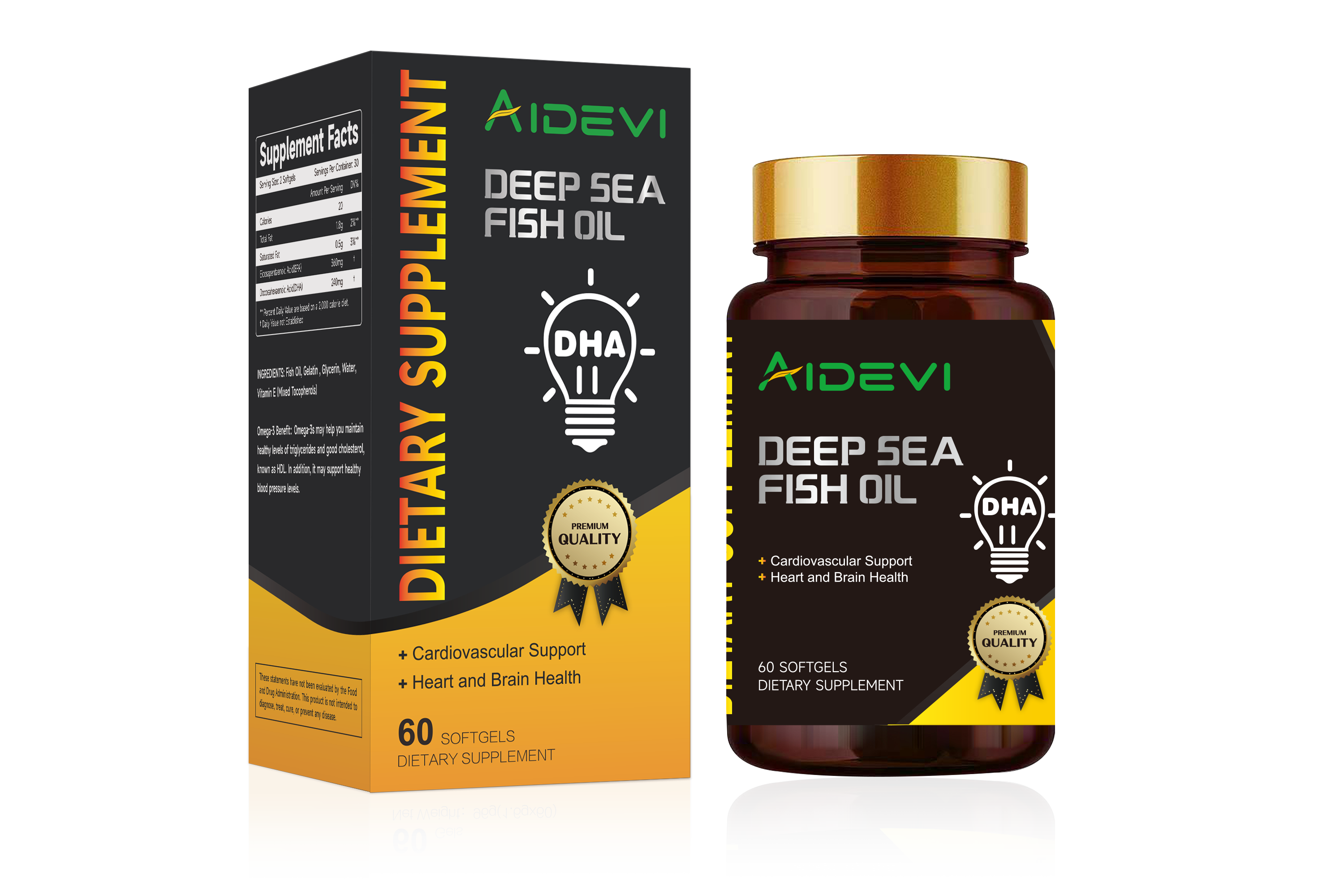
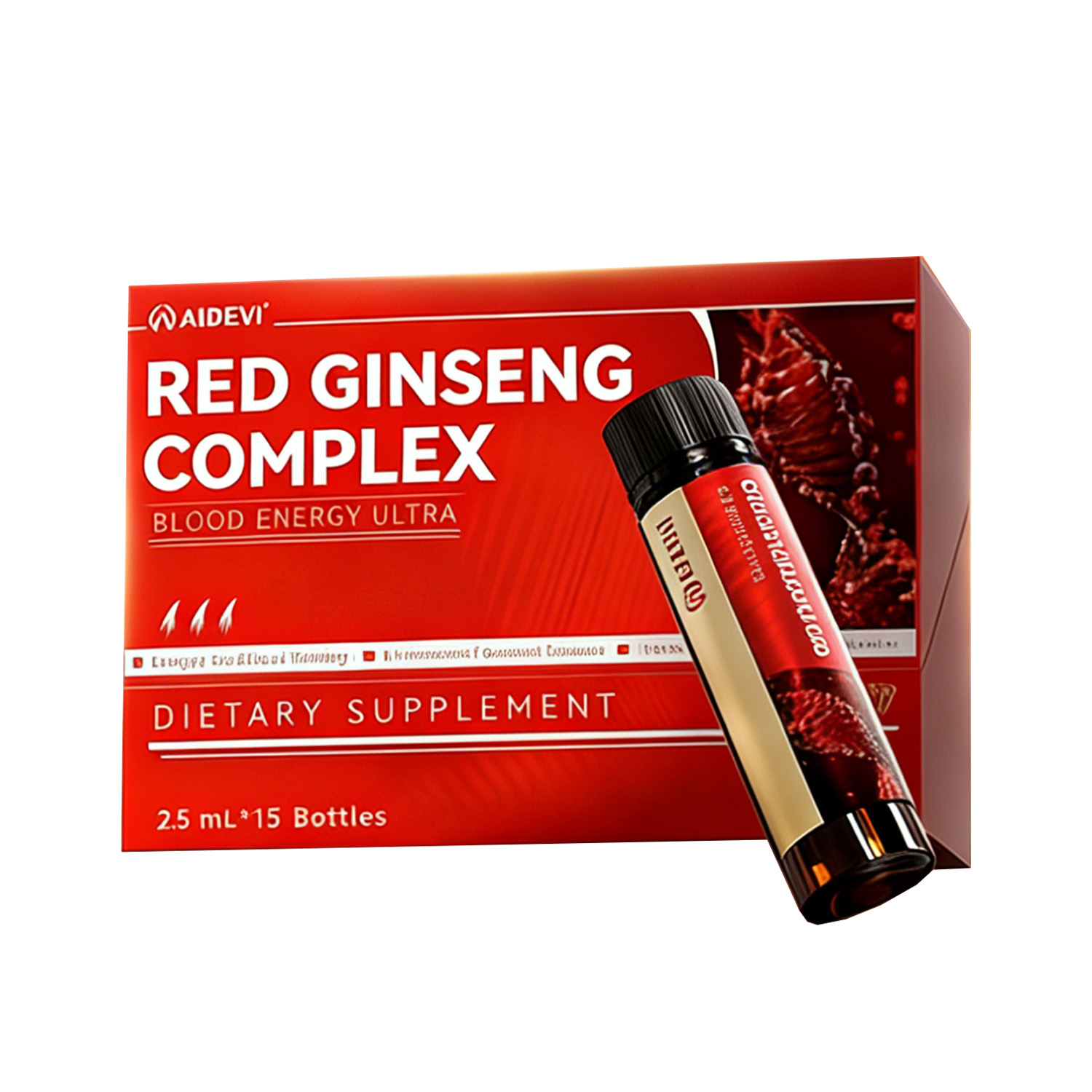



Discover the subtle signals your body is sending and how to reclaim your cellular vitality with AIDEVI.
In the realm of cellular health, few molecules are as pivotal as Nicotinamide Adenine Dinucleotide (NAD+). Often referred to as the "molecule of life," NAD+ is a coenzyme found in every living cell, serving as a critical fuel for mitochondrial energy production and a key regulator of DNA repair. However, scientific research has consistently shown that NAD+ levels naturally decline as we age, often dropping by as much as 50% by the time we reach our 40s.
TL;DR: The Quick Guide to NAD+ Decline
-
What is NAD+? A vital cellular molecule responsible for energy production and DNA repair. Levels naturally drop by up to 50% by age 40.
-
What are the early signs of decline? The most common symptoms include persistent fatigue, brain fog, slower muscle recovery, disrupted sleep, and visible skin aging.
-
How can you fix it? Supplementing with highly bioavailable, liposomal nmn (like the Nobel-backed formulations from AIDEVI) effectively bypasses digestion to replenish cellular NAD+ levels.
Identifying the early signs of this decline is essential for anyone looking to maintain their vitality and slow the biological clock. Under the scientific guidance of Nobel Laureate Professor Michael Levitt, AIDEVI is at the forefront of translating these complex biological insights into actionable health solutions.
10 Early Signs of Declining NAD+ Levels
1. Persistent Fatigue and Diminished Physical Endurance
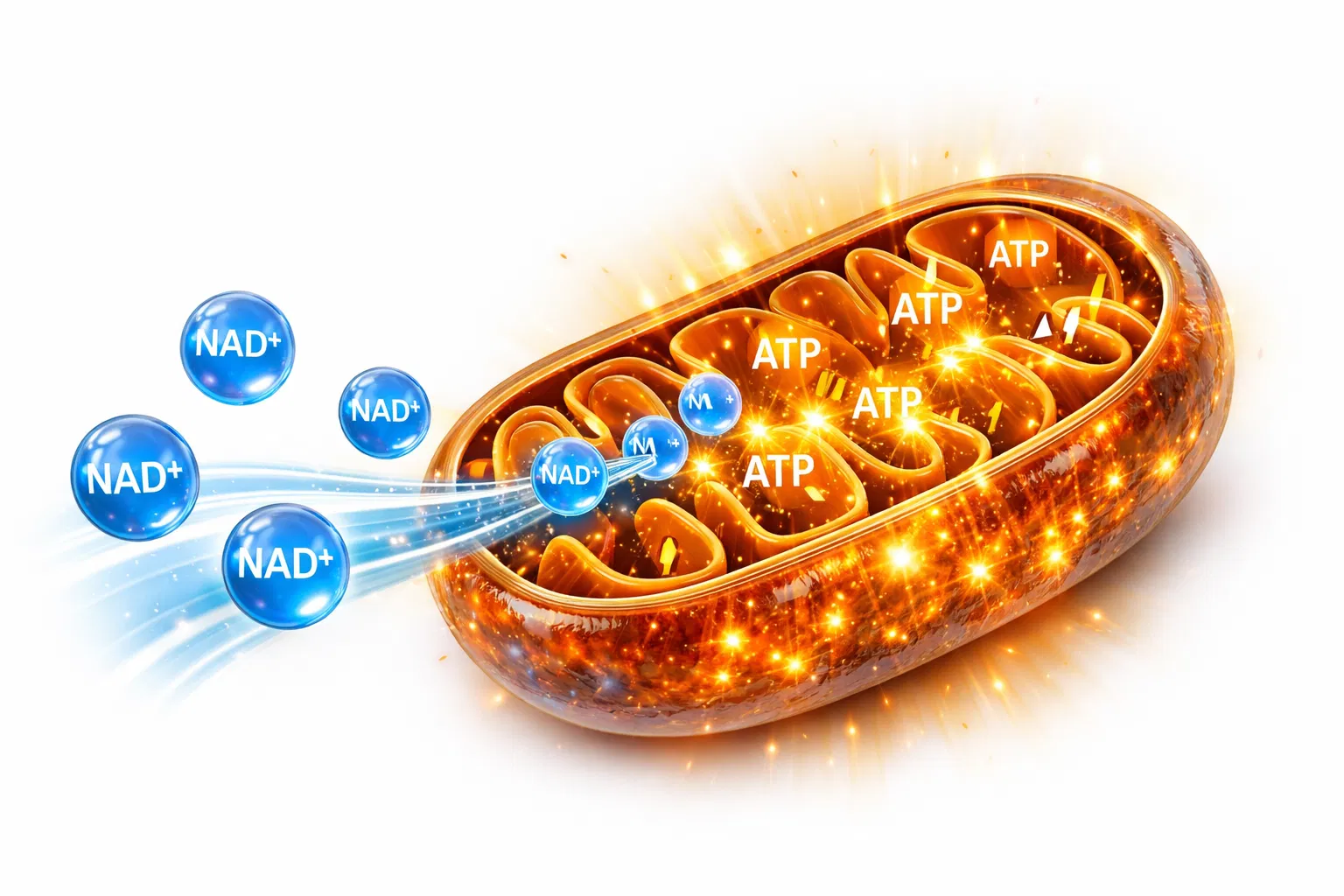
The earliest and most prominent clinical indicator of declining NAD+ levels is chronic, unexplained fatigue. From a biochemical perspective, NAD+ is an essential coenzyme driving mitochondrial ATP (Adenosine Triphosphate) synthesis—the physiological process responsible for generating the vast majority of your cellular energy. When systemic NAD+ availability decreases, mitochondrial efficiency drops, and your cells physically lose their capacity to sustain baseline energy output.
In practical terms, this cellular metabolic slowdown translates into a deep-seated exhaustion that standard rest cannot fix. You may experience a frustrating plateau in exercise stamina, wake up feeling unrefreshed despite a full eight hours of sleep, and notice that daily stimulants like caffeine no longer provide a viable energy boost.
2. "Brain Fog" and Cognitive Sluggishness
The Warning Sign: Experiencing frequent memory lapses, a reduced attention span, and persistent mental cloudiness are primary neurological indicators of NAD+ depletion.
The Cellular Science: The human brain is an intensely energy-demanding organ, consuming roughly 20% of the body's total energy reserves. When NAD+ levels decline, mitochondrial function within brain cells falters, severely impairing neuro-energy metabolism. This deficit not only slows neural processing speeds but also leaves delicate neurons highly vulnerable to oxidative stress—a leading driver of cognitive aging.
The Real-World Impact: This localized cellular energy crisis manifests as what is commonly called "brain fog." It actively diminishes executive function, making it significantly harder to process complex information, sustain deep focus, and maintain peak productivity during a demanding workday.

3. Prolonged Muscle Recovery and Post-Workout Inflammation
A noticeable delay in exercise recovery—where Delayed Onset Muscle Soreness (DOMS) lingers for days rather than hours—is a primary clinical indicator of cellular aging. Scientifically, NAD+ is an essential coenzyme for mitochondrial ATP generation; it fuels the precise cellular mechanisms required to clear acute inflammation and repair exercise-induced micro-tears in muscle tissue.
Consequently, when NAD+ levels decline, the body cannot efficiently resolve this inflammatory response, leading to frustrating strength plateaus and a regression in physical endurance, regardless of training consistency or dietary protein intake.
4. Accelerated Photoaging and Loss of Skin Elasticity
A sudden increase in fine lines, dermal dullness, and a loss of structural elasticity is often the first visible indicator of systemic cellular decline.
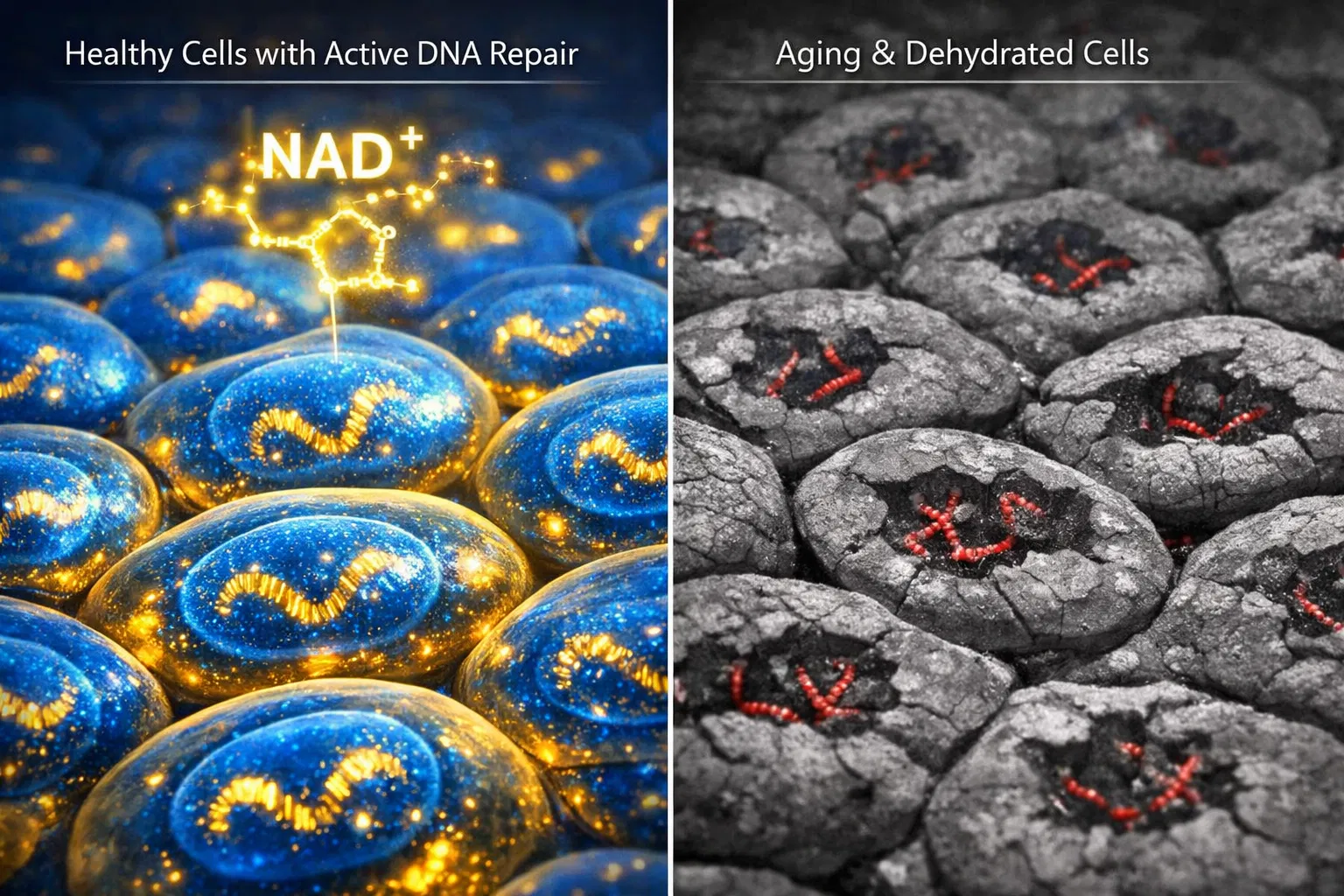
Scientifically, NAD+ is mandatory for the activation of PARPs (enzymes responsible for repairing UV-induced DNA damage) and sirtuins, which maintain the health of skin fibroblasts. When NAD+ drops, these fibroblasts lose the metabolic fuel required to synthesize collagen and neutralize environmental oxidative stress.
In practical terms, this internal metabolic deficit accelerates visible photoaging, causing microscopic cellular damage to manifest as macroscopic skin aging that topical treatments alone cannot reverse.
Is Your Body Running Low on NAD+?
Don't let cellular aging hold you back. Experience the power of high-purity NMN backed by Nobel-prize-winning science.
Shop AIDEVI NMN 18000 Now5. Disrupted Sleep Patterns and Circadian Misalignment
Summary: How does low NAD+ affect sleep? Declining NAD+ levels disrupt the body's circadian rhythm by impairing the 24-hour cycle of cellular energy production. This deficiency causes internal sleep-wake signals to misfire, resulting in chronic insomnia, frequent night awakenings, and poor sleep architecture.
The Symptom: You may experience an inability to initiate sleep (sleep-onset insomnia), frequent awakenings throughout the night, or a persistent lack of restorative, deep sleep.
The Science: NAD+ levels naturally fluctuate in a strict 24-hour cycle that is deeply intertwined with the body's internal master clock (the circadian rhythm). Molecularly, NAD+ is required to activate sirtuins (specifically SIRT1), a family of proteins that regulate these daily circadian clock genes. When NAD+ availability declines, this feedback loop breaks down.
The Real-World Impact: Without adequate NAD+ to fuel this daily rhythm, your brain’s sleep-wake signals misfire. The result is chronic restlessness and fragmented sleep, meaning your body is denied the critical overnight recovery period required for optimal cellular repair and metabolic health.
6. Unexplained Weight Gain
You may notice the scale creeping up, specifically with an increase in stubborn visceral fat around the abdomen.
The Science: A reduction in NAD+ availability directly compromises mitochondrial efficiency. This cellular energy crisis lowers your basal metabolic rate (BMR) and disrupts lipid and glucose homeostasis, often serving as a precursor to insulin resistance.
The Result: This metabolic deceleration means your body burns fewer calories at rest. It creates a highly obesogenic internal environment, making weight gain rapid and weight loss virtually impossible without first addressing the underlying cellular metabolic dysfunction.
7. Increased Sensitivity to Cold
The Quick Answer: A decline in NAD+ levels directly impairs mitochondrial thermogenesis, reducing the body's ability to convert metabolic energy into sustained body heat.
The Clinical Science: Your cellular mitochondria rely on NAD+ as an essential coenzyme to drive thermogenesis—the biological process of heat production. When NAD+ is depleted, the conversion of nutritional energy into thermal energy becomes highly inefficient.
The Real-World Impact: Because your body lacks the metabolic fuel to maintain internal temperature homeostasis, you may develop a chronic sensitivity to cold. This often manifests as persistently cold hands and feet, or the need to wear extra layers in environments where others feel perfectly comfortable.
8. Weakened Immune Resilience and Prolonged Illness
An increased susceptibility to seasonal infections, coupled with unusually long recovery times, is a primary indicator of compromised cellular immunity.
Scientifically, NAD+ is the essential fuel for immunometabolism—the energy pathway required to activate immune cells like macrophages and mount a rapid, effective defense against invading pathogens.
In practical terms, when cellular energy is sluggish due to NAD+ depletion, your body's defense system cannot react quickly enough, turning what should be a minor three-day cold into a prolonged two-week ordeal.
9. Subtle Changes in Vision or Hearing
The Science: Sensory organs are extraordinarily energy-intensive. Emerging neurobiological research demonstrates that a decline in cellular NAD+ induces a localized mitochondrial energy crisis, specifically impairing the highly active photoreceptors in the retina and the hair cells of the inner ear.
The Symptom: This biological energy deficit accelerates sensory decline. You may experience a subtle drop in visual sharpness—particularly in low-light conditions—or notice difficulty isolating conversations in noisy, crowded environments, which is a hallmark early indicator of age-related hearing loss.
10. Mood Fluctuations and Irritability
Low NAD+ levels can lead to increased irritability, emotional instability, and a diminished capacity for stress management by disrupting neuro-metabolic homeostasis.
While often viewed as a physical energy molecule, NAD+ is a fundamental cofactor in the synthesis of primary mood-regulating neurotransmitters, specifically serotonin, dopamine, and norepinephrine. When cellular NAD+ is depleted, the brain’s biochemical production line slows down, leading to:
-
Neurotransmitter Deficiencies: A shortage of the "raw materials" needed to maintain emotional balance.
-
Reduced Stress Threshold: A lower biological "ceiling" for handling cortisol, making minor daily stressors feel overwhelming.
-
Cognitive Fatigue: The mental exhaustion resulting from low ATP production often manifests as a "short fuse" or sudden irritability.
Scientific Insight: Research in neurobiology suggests that NAD+ acts as a critical link between cellular metabolism and circadian-regulated mood patterns. Maintaining optimal levels is essential for the enzymatic reactions that stabilize our internal emotional baseline.
How NAD+ Levels Decline by Age: A Decade-by-Decade Guide
According to recent longevity research, human NAD+ levels decline by approximately 50% between the ages of 20 and 50, a phenomenon known as age-related NAD+ depletion. This decline disrupts NAD+ homeostasis, the body’s ability to balance the production and consumption of this vital coenzyme. Because NAD+ is required for both energy metabolism and DNA repair, its loss creates a measurable impact on physiological "healthspan" across every decade of life.
| Age Bracket | Estimated NAD+ Bioavailability | Primary Biological & Physiological Impact |
| 20s | 100% (Baseline) | Peak Homeostasis: Optimal mitochondrial ATP production, rapid cellular regeneration, and high neuro-cognitive resilience. |
| 30s | 70% – 80% | Initial Decline: Subtle increases in recovery time, reduced skin fibroblast activity (leading to fine lines), and the onset of metabolic inefficiency. |
| 40s | ~50% | Critical Threshold: Noticeable "brain fog," significant drop in mitochondrial efficiency, and increased susceptibility to oxidative stress and DNA damage. |
| 50s & Beyond | <30% | Advanced Depletion: High risk of age-related metabolic disorders, chronic physical fatigue, and visible signs of advanced cellular senescence. |

The AIDEVI Advantage: Science Meets Longevity
While recognizing the signs of NAD+ decline is the first step, the primary challenge in longevity science is bioavailability: the degree and rate at which a substance is absorbed into the systemic circulation. Most standard NMN supplements are degraded by gastric acid before reaching cellular targets.
AIDEVI NMN 18000 overcomes this physiological barrier through a tri-pillar framework of scientific integrity:
- ✔ Nobel-Level Guidance:
Every AIDEVI formulation is developed under the scientific advisory of Professor Michael Levitt, a Nobel Laureate in Chemistry. This partnership ensures that our products are grounded in computational biophysics and rigorous molecular research, moving beyond anecdotal evidence to proven cellular health solutions.
- ✔ Liposomal Absorption Technology: To maximize absorption, AIDEVI utilizes Liposomal Delivery Systems. By encapsulating NMN molecules within phospholipid bilayers (liposomes), the nutrient is shielded from the harsh acidic environment of the digestive tract. This allows for direct transport into the bloodstream and significantly higher cellular uptake compared to traditional crystalline powders.
- ✔ Uncompromising Purity: In the health care sector, purity is synonymous with safety. AIDEVI NMN 18000 undergoes independent third-party laboratory testing to guarantee a 99.9% purity rating. Each batch is verified to be free from heavy metals, microbial contaminants, and synthetic fillers, ensuring a "clean-label" profile for long-term clinical use.
"Understanding the molecular dynamics of aging is the key to extending human healthspan. AIDEVI's commitment to scientific integrity is what sets it apart in the longevity industry." — Scientific Insight inspired by Prof. Michael Levitt's work.
Ready to Revitalize Your Cellular Future?
Join thousands of health-conscious individuals who trust AIDEVI for their anti-aging journey.
Explore AIDEVI NMN 18000FAQ: Restoring Cellular Vitality & Navigating NAD+ Science
1. Why can’t I just take a NAD+ supplement directly instead of NMN?
The Expert Insight: Pure NAD+ is a large, highly polar molecule, making it notoriously difficult for it to cross the cellular membrane directly. When ingested orally, most raw NAD+ is broken down by the digestive system before it ever reaches your bloodstream. NMN (Nicotinamide Mononucleotide), especially in AIDEVI’s liposomal form, acts as a direct precursor. It enters the cell more efficiently—often via specific transporters like Slc12a8—where it is then converted into NAD+ exactly where your mitochondria need it.
2. What is the "CD38 Factor," and how does it affect my NAD+ levels?
The Missing Link: While we focus on producing NAD+, we rarely talk about what destroys it. CD38 is an enzyme that increases as we age and during periods of chronic inflammation (often called "inflammaging"). CD38 actively "consumes" NAD+, meaning even if you produce it, this enzyme may be draining your tank. By supplementing with high-purity AIDEVI NMN 18000, you provide your body with the surplus necessary to overcome the "drain" caused by overactive CD38 enzymes.
3. Does NMN supplementation interfere with my body's "Methylation" process?
Advanced Nutritional Science: A common concern among biohackers is that increasing NAD+ can deplete "methyl groups" (essential for DNA expression and liver detox) because the body uses them to process excess nicotinamide.
-
The AIDEVI Advantage: Because AIDEVI utilizes Liposomal Delivery, the dosage is optimized for maximum absorption with minimal waste. This high bioavailability reduces the metabolic "cleanup" burden on your liver, helping to maintain a healthier balance of methyl donors compared to low-quality, high-dose crystalline powders.
4. Should I take NMN in the morning or at night for the best results?
Circadian Optimization: Based on the research regarding Circadian Misalignment mentioned in our guide, timing matters. NAD+ levels naturally peak in the morning to fuel your day’s energy demands. To align with your body’s natural rhythm (SIRT1 activation), it is generally recommended to take AIDEVI NMN in the morning. This supports daytime ATP production and helps "reset" your internal clock, leading to more restorative sleep at night.
5. How does Liposomal technology differ from standard "Sublingual" NMN?
The Bioavailability Breakthrough: Sublingual (under the tongue) NMN attempts to bypass the gut, but it is limited by how much the small mucosal membranes can absorb before you inevitably swallow the rest. AIDEVI’s Liposomal Technology encapsulates the NMN in a protective phospholipid layer. This doesn't just "bypass" the stomach; it mimics the body's own cell membranes, allowing the NMN to be delivered directly into the lymphatic system and bloodstream with significantly higher efficiency than sublingual or standard capsule forms.
6. Can NMN help with "Brain Fog" if it's caused by stress rather than age?
Neuro-Metabolic Support: Yes. Stress triggers the activation of PARPs (enzymes that repair DNA damage caused by cortisol-induced oxidative stress). PARPs are "NAD+ gluttons." When you are stressed, your brain’s NAD+ reserves are redirected from energy production (focus) to cellular repair. By replenishing these levels with NMN, you provide the brain with enough fuel to handle both repair and cognitive performance, clearing the "fog" even during high-pressure periods.
7. How long does it take to feel the visible effects on skin and muscle recovery?
The Timeline of Vitality: While biochemical changes begin within hours, macroscopic results follow a cellular turnover cycle:
-
1–2 Weeks: Many users report improved mental clarity and more stable energy levels.
-
4–8 Weeks: Improvements in muscle recovery and exercise stamina become measurable.
-
12+ Weeks: As skin fibroblasts (fueled by NAD+) complete their renewal cycle, visible improvements in skin elasticity and "photoaging" typically become more apparent.
References
- McReynolds, M. R., et al. (2020). "Age-related NAD+ decline." Nature Reviews Molecular Cell Biology. [Link]
- Zapata-Pérez, R., et al. (2021). "NAD+ homeostasis in human health and disease." Trends in Molecular Medicine. [Link]
- Lautrup, S., et al. (2019). "NAD+ in Brain Aging and Neurodegenerative Disorders." Cell Metabolism. [Link]
- Levine, D. C., et al. (2020). "NAD+ Controls Circadian Reprogramming through PER2." Molecular Cell. [Link]
- Kim, H. J., et al. (2014). "NAD+ Metabolism in Age-Related Hearing Loss." Hearing Research. [Link]
