





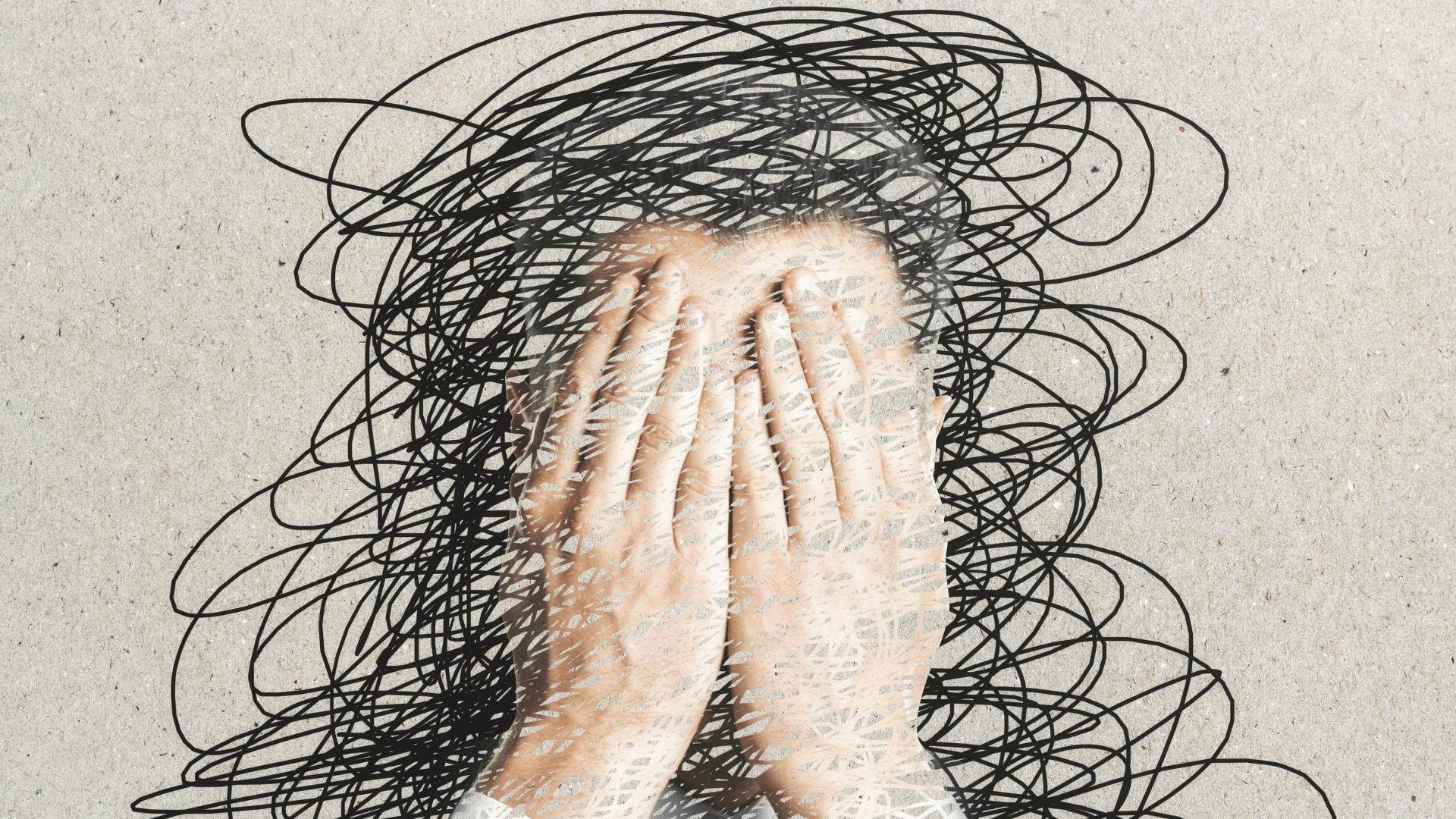
Stress is unavoidable—but chronic stress can speed up aging in ways you can measure biologically and sometimes see on your face. People often ask: does stress cause aging, or does it just make you look tired?
Short answer: Yes. Long-term stress is associated with faster biological aging through mechanisms like higher cortisol, more inflammation, and increased oxidative stress, which can contribute to telomere shortening (a marker linked to cellular aging). It can also worsen visible aging signs such as dull skin, fine lines, flare-ups (acne/eczema), and sleep-related changes.
Stress and aging at a glance (quick summary)
-
Biological aging: Chronic stress can influence aging markers (like telomeres) through cortisol, inflammation, and oxidative stress.
-
Skin & appearance: Stress can worsen breakouts, eczema, dryness, dullness, and may contribute to fine lines through inflammation and sleep disruption.
-
Hair changes: Stress is linked to hair shedding and may play a role in pigment-related changes in some cases.
-
Indirect aging accelerators: Stress often reduces sleep quality, increases cravings, and can push people toward smoking/alcohol—habits strongly tied to faster aging.
-
Good news: Lowering chronic stress and improving sleep, movement, and nutrition can reduce stress’s aging impact over time.
Notes for best results
-
Keep it 5 bullets (Google likes concise lists).
-
Use plain language and key phrases that match searches (“skin,” “wrinkles,” “telomeres,” “cortisol”).
What “aging” means in this article: We’re talking about both biological aging (cellular changes linked to inflammation, oxidative stress, and telomeres) and visible aging (skin texture, radiance, lines, and stress-related appearance changes).
Does Stress Cause Aging?
Yes—especially chronic stress. Stress doesn’t “instantly age” you overnight, but long-term stress can accelerate aging processes by increasing cortisol, which can raise inflammation and oxidative stress. Over time, these changes are associated with faster cellular wear (including effects on telomeres) and can amplify visible signs such as dullness, uneven texture, and stress-related flare-ups—often made worse by poor sleep.
How stress may accelerate aging (simple explanation):
-
Cortisol pathway: prolonged stress → higher cortisol → more inflammation / impaired repair
-
Oxidative stress: more free-radical damage → faster cellular wear
-
Telomeres: chronic stress is linked with shorter telomeres (a cellular aging marker)
-
Sleep disruption: less deep sleep → reduced skin and body recovery
How fast can stress show up? Acute stress may affect your appearance within days (sleep, puffiness, breakouts), while chronic stress usually shows clearer effects over weeks to months, especially through sleep and lifestyle changes.
In the sections below, you’ll learn what the research says, how stress affects skin and appearance, and the most effective stress-management strategies that support healthier aging.
Does Stress Age Your Face?
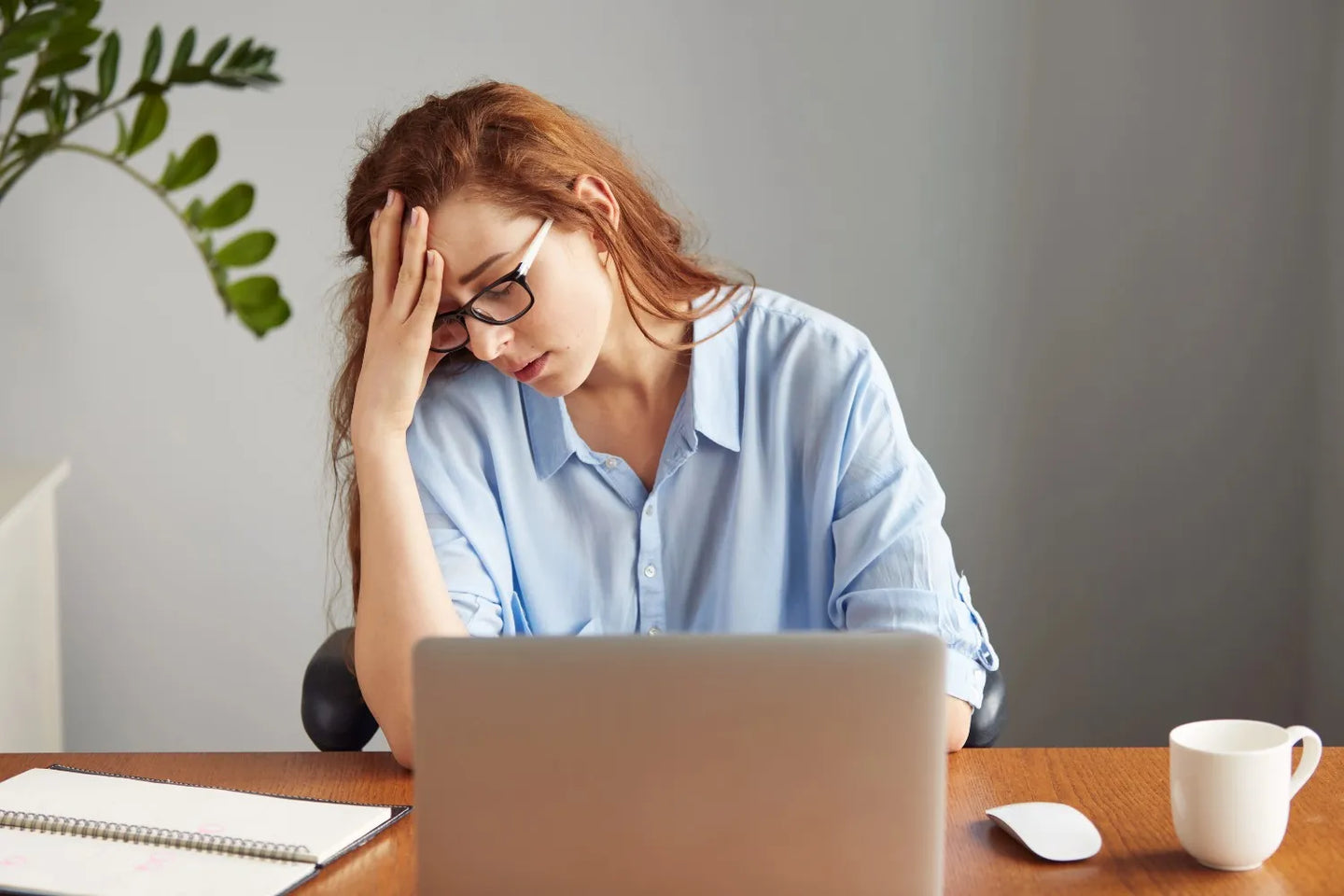
Stress can affect the face through a mix of biology and behavior. Some people notice “stress face” as:
- Dullness or uneven tone
- Puffiness (often related to sleep disruption)
- More breakouts or flare-ups (acne, eczema, psoriasis)
- Deeper-looking fine lines (especially when dehydrated or sleeping poorly)
Why it happens:
- Sleep disruption: poor sleep reduces skin repair and makes under-eye darkness and puffiness more visible.
- Inflammation: chronic stress can increase inflammatory signaling, which may worsen redness and sensitivity.
- Skin barrier changes: stress can make skin feel drier or more reactive, which can emphasize fine lines.
- Facial tension: stress can increase jaw clenching or frowning—repeated expressions can make lines appear more pronounced over time.
If your main concern is appearance, focus first on the “big three”: sleep quality, daily stress downshifts, and skin barrier support (gentle cleansing + moisturizer + SPF).
Can Stress Cause Wrinkles?
Stress is unlikely to be the only cause of wrinkles—sun exposure, genetics, and age play major roles—but chronic stress can make wrinkles more noticeable and may contribute indirectly by:
- Increasing inflammation and oxidative stress (which can affect skin structure over time)
- Disrupting sleep (less overnight repair)
- Encouraging dehydration, poor diet choices, or smoking/alcohol (all of which can worsen skin aging)
Common “stress wrinkle” pattern: lines look deeper during high-stress periods because skin is drier, sleep is worse, and facial tension is higher. Improving recovery (sleep + hydration + barrier care) often makes skin look better even before any long-term biological change.
Does Stress Cause Gray Hair or Hair Changes?
Many people associate stress with gray hair, but the reality is more nuanced. Genetics and aging are the primary drivers of graying. However, severe or prolonged stress may contribute to hair changes in some people by affecting hormones, inflammation, and nutrient/sleep balance.
Stress is more consistently linked with:
- Temporary hair shedding (often noticed weeks to months after a stressful period)
- Scalp irritation or worsening of scalp conditions
- Changes in hair texture or manageability (sometimes via sleep and health changes)
If you’re seeing sudden or significant hair changes, consider checking for other contributors (sleep loss, dieting, thyroid issues, iron levels) and consult a clinician if it’s persistent.
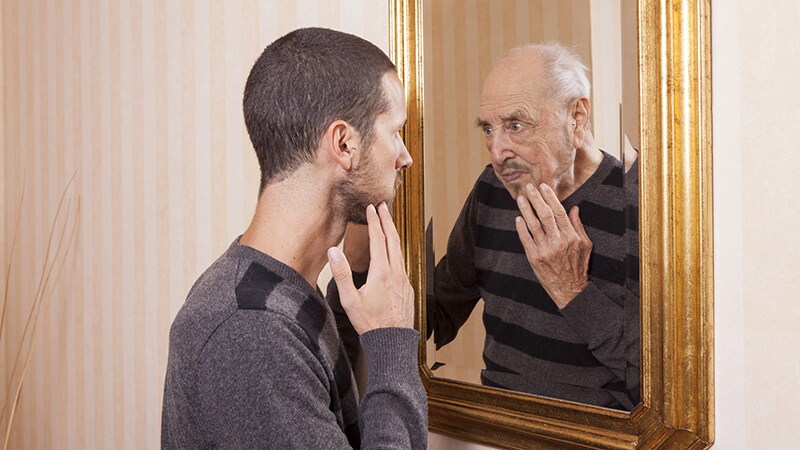
Understanding Stress (Acute vs. Chronic)
Not all stress is equal. Acute stress is short-term and can be manageable. The bigger issue for aging and appearance is chronic stress—when your body stays in a more activated state for weeks or months, often alongside poor sleep and reduced recovery.
The Biological Mechanisms Behind Stress and Aging
The connection between stress and aging can be explained through various biological mechanisms. One of the most significant factors is the effect of stress on telomeres. Telomeres are the protective caps at the ends of chromosomes that shorten as cells divide. When telomeres become too short, cells can no longer divide, leading to cellular aging and death. Stress has been found to accelerate telomere shortening, which can lead to premature aging.
Additionally, chronic stress triggers the release of stress hormones such as cortisol and adrenaline. Elevated cortisol levels can lead to inflammation and oxidative stress, which are known contributors to aging. Oxidative stress occurs when there is an imbalance between free radicals and antioxidants in the body, leading to cellular damage and the aging process.
How Long Does It Take for Stress to Affect Appearance—and Can You Reverse It?
Short-term stress often shows up quickly as fatigue, dullness, or breakouts—mostly through sleep disruption and dehydration. Long-term stress tends to create more persistent changes because recovery stays impaired.
A simple way to think about it:
- Days to weeks: sleep loss, dull skin, puffiness, acne flare-ups
- Weeks to months: habits compound (less exercise, poorer diet, more inflammation), hair shedding may become noticeable after a delay
- Months to years (chronic): higher chance stress contributes to long-term aging pathways
The good news: many “stress-aging” signs are partly reversible when sleep, daily recovery, and stress management improve—especially skin dullness, puffiness, and flare-ups. Longer-term structural changes take longer and vary by person.
Impact of Stress on Skin and Physical Appearance
One of the most visible effects of stress is on the skin. Stress can lead to various skin conditions, including acne, eczema, and psoriasis. It can also cause premature aging signs, such as fine lines, wrinkles, and a dull complexion. The body's fight-or-flight response during stressful situations diverts blood flow away from the skin, leading to a loss of radiance and vitality.
Moreover, stress can disrupt sleep patterns, leading to fatigue and poor skin repair. Lack of sleep can exacerbate the signs of aging, as the body requires adequate rest to rejuvenate and repair itself. Therefore, managing stress is crucial for maintaining healthy, youthful skin.
Psychological Effects of Stress and Aging
Beyond physical changes, stress also has profound psychological effects that can contribute to the perception of aging. Chronic stress can lead to anxiety and depression, which may cause individuals to feel older than their actual age. Mental health plays a significant role in overall well-being, and a positive mindset can contribute to a more youthful appearance and attitude.
Furthermore, stress can lead to lifestyle choices that may exacerbate the aging process. For example, individuals under stress may turn to unhealthy coping mechanisms such as smoking, excessive alcohol consumption, or poor diet, all of which can accelerate aging.
Strategies to Manage Stress for Healthier Aging
These are the most practical levers because they improve both how you feel and the pathways tied to aging (sleep, inflammation, recovery):
- Mindfulness / Meditation: helps downshift the stress response, which may support better sleep and emotional regulation.
- Regular Exercise: improves mood and sleep and can reduce stress load over time; even daily walking helps.
- Sleep First (often overlooked): if stress is aging your face, improving sleep consistency is one of the fastest ways to reduce dullness and puffiness.
- Healthy Diet + Hydration: supports skin barrier function and may reduce inflammation; aim for stable meals and enough protein, fiber, and colorful plants.
- Social Support: reduces perceived stress and helps consistency with healthy habits.
- Professional Help: therapy/coaching can reduce chronic stress patterns and improve coping tools when stress feels stuck.
If appearance is your top concern, start with: sleep consistency + daily light exercise + gentle skincare (moisturizer + SPF).
Conclusion
Chronic stress can contribute to aging by affecting recovery, sleep, inflammation, oxidative stress, and—according to some research—cellular aging markers like telomeres. It can also make aging signs more visible through “stress face” patterns like dullness, puffiness, and flare-ups.
The most effective approach is practical and repeatable: improve sleep, add regular movement, reduce daily stress load, and support your skin barrier. Over time, these habits don’t just change how you look—they improve how well your body recovers.
Read more:
Top 10 Best Antioxidant Supplements for Your Health in 2026
Stay Sharp, Stay Energized, Stay Ahead
Aging doesn’t have to slow you down. nmn + Resveratrol is your key to sustained energy, sharper focus, and long-term vitality. Whether you're a high performer pushing boundaries, a biohacker optimizing every aspect of life, or a parent looking to keep up with the demands of daily life, this powerful combination fuels your body at the cellular level.
Backed by science and trusted by those who refuse to settle for average aging, NMN + Resveratrol helps you stay ahead—today, tomorrow, and for years to come.
Experience the benefits for yourself. Start your journey to better aging now!
Try NMN + Resveratrol Today!
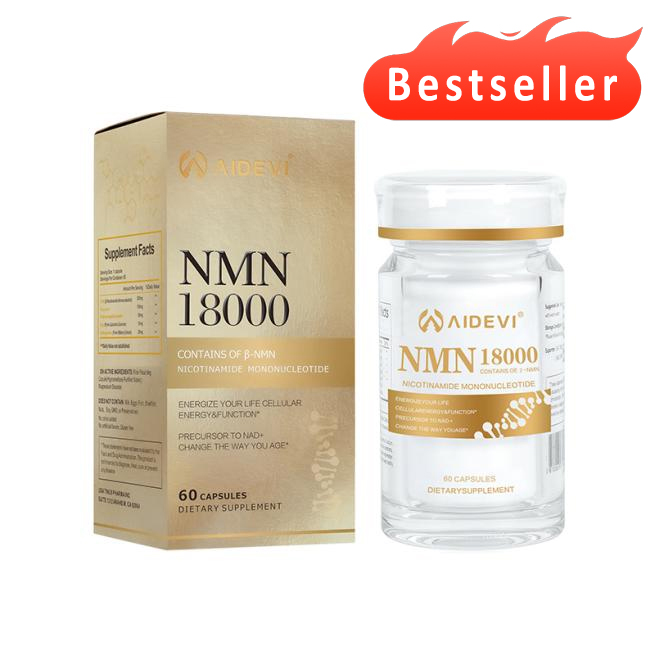 |
N M N+ RESVERATROLA cellular NAD+ booster with ultra-pure NMN and resveratrol in research-proven dosages.* |
 |
Frequently Asked Questions About Stress and Aging
Does stress cause aging or just make you look tired?
Chronic stress can contribute to both. It may influence biological aging through stress hormones (like cortisol), inflammation, and oxidative stress. At the same time, stress often disrupts sleep and daily routines, which can make skin look dull and emphasize fine lines temporarily. Addressing sleep and recovery can improve appearance relatively quickly.
Can stress age your face?
Stress may affect facial appearance indirectly and directly. Indirectly, it can reduce sleep quality and increase habits that worsen skin (poor diet, less exercise, dehydration). Directly, stress-related inflammation can worsen breakouts or skin conditions and may impair skin barrier function, making fine lines look more noticeable.
Can stress cause wrinkles permanently?
Stress can make wrinkles look more visible by dehydrating the skin and reducing recovery sleep, but “permanent” wrinkles usually develop from long-term factors like sun exposure, collagen loss over time, and repeated facial expressions. Managing stress helps by improving sleep, reducing inflammation, and supporting healthier habits that protect skin.
Does stress shorten telomeres?
Research suggests chronic stress is associated with shorter telomeres in some studies, which is one marker linked to biological aging. Telomeres naturally shorten with time, and stress may accelerate that process through inflammation and oxidative stress. This doesn’t mean stress “instantly” ages you, but long-term stress can add up.
How long does it take for stress to affect your appearance?
It depends. Acute stress can show up within days as fatigue, dull skin, or flare-ups (acne, eczema) due to sleep disruption. Chronic stress tends to influence appearance more gradually over weeks to months by affecting sleep consistency, inflammation, and lifestyle habits. The fastest visible improvements usually come from better sleep and hydration.
Does stress cause gray hair?
Stress is often linked to changes in hair health, and some evidence suggests severe stress may contribute to hair pigment changes in certain situations, but the full picture is complex. Genetics and aging are major drivers of graying. If you notice sudden hair changes, consider stress—but also rule out nutrition issues and medical causes.
Can meditation or mindfulness reduce stress-related aging?
Mindfulness practices may help by lowering perceived stress and improving sleep quality and emotional regulation. Better stress management can reduce behaviors that worsen aging (poor sleep, inactivity, unhealthy coping habits). Meditation isn’t a “reverse aging” tool, but it can support a recovery-focused lifestyle that helps you look and feel better.
What are the best daily habits to reduce stress-related aging?
Start with the basics: consistent sleep schedule, regular movement (even brisk walking), protein and fiber with meals, hydration, and a short daily stress-reset (breathing, journaling, mindfulness). Social support matters too. If stress feels overwhelming, professional help is a strong, practical step—not a last resort.
